Zeppole di San Giuseppe: Celebrate with This Delightful Pastry
You know the smell that hits you in a bakery during an Italian festival? That warm, eggy sweetness laced with a hidden note of vanilla? That’s the scent of Zeppole di San Giuseppe—pastries that signal something celebratory and deeply rooted in tradition. Where I grew up, you couldn’t get through March 19th (St. Joseph’s Day) without spotting these beauties in every shop window: coiled puffs of golden pastry, glossy custard peeking through the center, all crowned with a shiny cherry. When I finally mastered them at home, the real surprise was how easy they can be—no deep fryer, no perfection required, just a craving for kitchen-alchemy and a dusting of powdered sugar over everything nearby.
My kitchen usually turns into a bit of a chaotic playground when Zeppole di San Giuseppe are in the works. Eggs teeter dangerously close to the edge of the counter, while a pot of choux pastry bubbles and hisses before transforming into satiny batter. There’s something almost meditative about piping the dough into rings and watching them puff in the oven, slowly coloring to an inviting shade of brown. Then comes the best part—spooning creamy custard into the airy centers and, of course, popping a cherry on top.
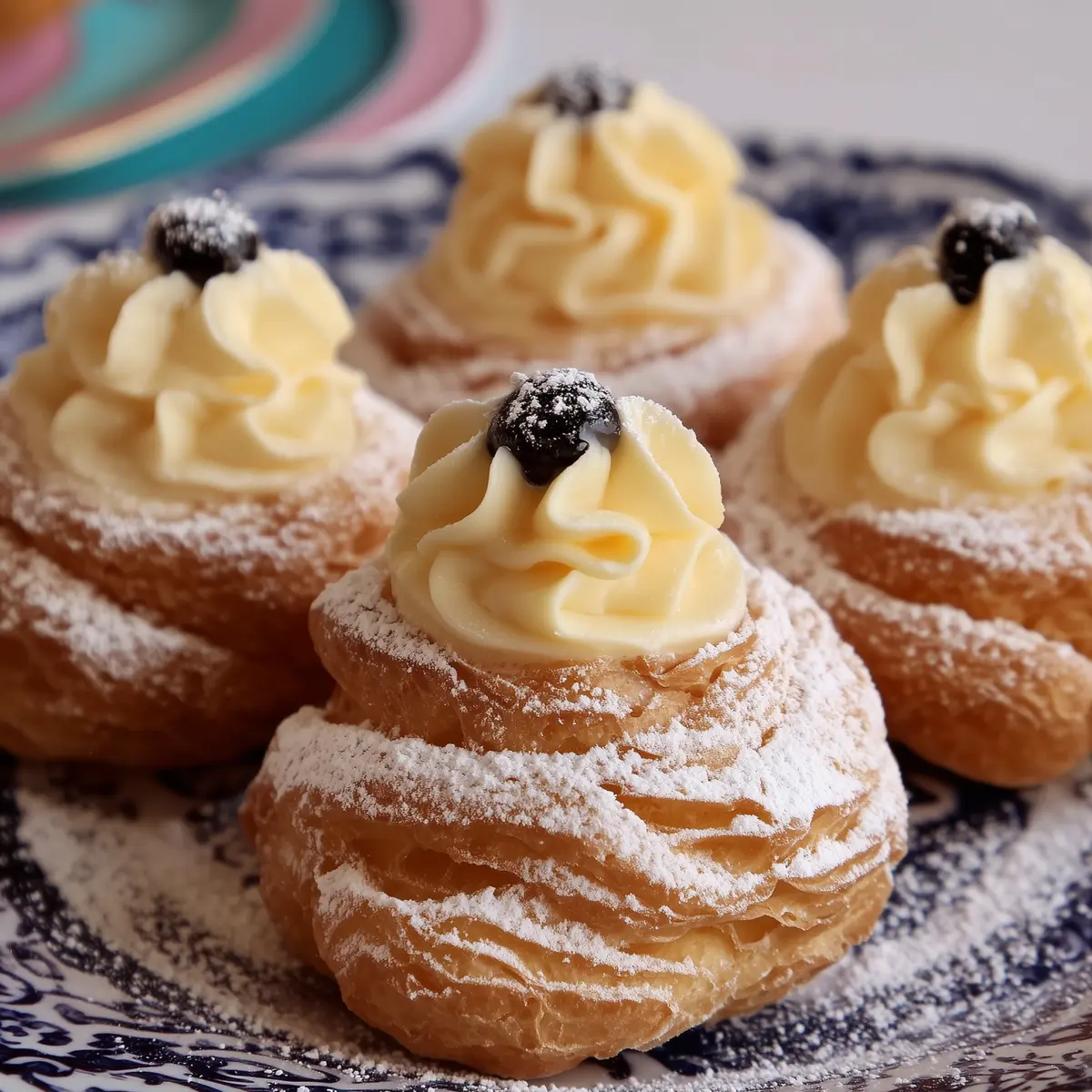
When Zeppole di San Giuseppe Takes Center Stage
There’s a particular hush that seems to fall over the kitchen when that first tray of Zeppole di San Giuseppe emerges from the oven. In that moment, you’re not just making pastries—you’re recreating a ritual that ties you to generations of Italian families, to bustling piazzas and laughter-filled spring gatherings. These pastries might have started out as a way to honor St. Joseph, but they’ve long since become a symbol of warmth, abundance, and sweet indulgence. I always say, even if you’ve never set foot in Naples, the act of whisking custard and piping dough brings a little bit of that festival magic right into your own home.
The first bite, when you finally break through that powdered shell, always gets a chorus of contented sighs at my table. There’s the crispy puff, the cool, velvety crema pasticcera, the sour-sweet burst of cherry if you’re feeling extra celebratory. It’s simple in theory, but anything but ordinary on the tongue.
The Ingredients That Shape Zeppole di San Giuseppe
- Butter – Unsalted is best here, melting into the batter to add tenderness and a subtle richness that carries through every bite.
- Sugar – Just a touch, to sweeten the dough and polite enough not to overpower the delicate custard.
- Water – Sets the foundation for the choux pastry, giving it the moisture it needs to puff and crackle in the oven.
- Flour – Standard all-purpose does the trick, forming the structure that traps all that steam (which is what really makes the shells rise).
- Eggs – Absolutely vital; they transform the lump of dough into something glossy and pipeable, giving the finished pastry both lift and a whisper of eggy flavor.
- Crema pasticcera – Homemade pastry cream, lush with vanilla and so silky it wants to slip off the spoon. Don’t skimp here—the filling makes the zeppole.
- Powdered sugar – The final snowstorm, sifting over the tops to finish things off with a little extra sweetness and a classic festival look.
- Fabbri cherries or maraschino cherries – A deep red cherry perched on top is traditional—bright, tart, and gleaming. No need to stress if you leave it out, but it’s certainly a showstopper.
See the recipe card below for the full list of ingredients and measurements.
From Choux to Crema: Bringing Zeppole to Life
Start by laying out all your ingredients. Trust me, once the choux pastry starts, things happen fast and you’ll want those eggs cracked and lined up, not hiding behind the sugar jar.
Begin by plopping the butter, water, and a pinch of sugar into a saucepan. Turn the heat to medium and wait, listening for that satisfying simmer as the mix comes to a rolling boil. As soon as those bubbles start crowding the edges, dump in the flour all at once. Stir like your life depends on it—a sturdy wooden spoon’s your best friend here. The dough will pull away from the sides and form a soft ball. Let it sizzle for a minute or so to dry out a little (that way your zeppole puff and don’t collapse), then take it off the heat.
Here comes the part that always feels a bit like magic: keep stirring the dough for a minute to let it cool off slightly. You don’t want to cook the eggs. Then, one by one, beat in the eggs. The first will look like it’ll never blend (it will, keep going). By the time the last one’s in, you’re looking for a batter that’s smooth, glossy, and just thick enough to pipe or spoon (think soft-serve that holds its shape).
Line a baking tray with parchment or a silicone mat. Either pipe the mixture into small rounds with a pastry bag, ring shapes if you’re old-school, or just use spoons for rustic, cloud-like puffs. Make a little dip in the center—this is where the cream will go later.
Slide the pan into a hot oven. Bake until your zeppole are puffed and golden, and the kitchen smells somewhere between a baking bread shop and a patisserie. Once they’re out, let them cool a touch.
While your choux is cooling, whip up the crema pasticcera. It’s worth making your own—just whisk egg yolks, sugar, milk, and vanilla over gentle heat until it thickens, then cool until it’s smooth, cold, and scoopable.
When everything’s cooled, poke a hole in the side of each puff and pipe a burst of pastry cream inside. Add another dollop on top, dust with powdered sugar, and—if you’re after that full St. Joseph’s Day finish—crown each one with a cherry.
Texture and Sensation in Every Bite
What makes Zeppole di San Giuseppe unforgettable isn’t just the history or the ritual—it’s how every bite does something a little different on your palate. The outer shell cracks with the slightest pressure, yielding a whisper-thin crunch before giving way to a cloud of egg-rich pastry. Inside, the vanilla-scented cream is thick and cool, with just enough body to keep it from running, yet soft enough to meld into the shell. When you land on that cherry—a little sticky, a little tart—everything gets a kick of brightness that almost makes you want to pause. But let’s be real: they usually don’t last more than a minute or two once served.
If you’re lucky (or strategic) enough to get one just as the custard settles, you might notice a bit of warmth still lingering inside—absolutely the kind of thing you lean over the counter for, sugar dust sticking to your fingers for the rest of the day.
Tips to Avoid Soggy or Flat Zeppole
Getting Zeppole di San Giuseppe right is less about fancy skills and more about small moments of attention. Here’s what’s helped me over years of trial and error:
- Let the dough cook out that extra moisture when adding flour to the saucepan. The more steam escapes here, the better your pastry puffs.
- Add your eggs slowly. Too fast and the dough becomes loose; too slow and you’ll wear out your arm.
- Pipe (or spoon) the batter onto a lined tray in rounds with a little indentation for that luscious crema later.
- Don’t open the oven door in the first half of baking, or your zeppole might collapse.
- Let the pastries cool completely before filling, or you’ll end up with melted crema and soggy shells.
- For variation, try filling with chocolate crema or whipped ricotta—each brings out a different side of the pastry. If you can’t find Italian cherries, any brand of maraschino will do.
Zeppole are best the day they’re made, but if you need to prep ahead, bake the shells and store them airtight, then fill just before serving.
Serving Zeppole di San Giuseppe for Any Celebration
Tradition says Zeppole di San Giuseppe belong to March 19th, but honestly, they deserve a spot at any party worth its sugar. Set a platter out for brunch, afternoon coffee with friends, or even as a sweet change from birthday cake. There’s no wrong time for a tray of airy shells stuffed to bursting with pastry cream.
Pair them with espresso for a grown-up finish, or sneak one with a glass of dessert wine, letting the sugar and custard bounce off the drink’s richness. If you’re taking them to a celebration, dust a little extra powdered sugar just before serving and don’t be surprised if they disappear before you manage to sneak a second helping.
FAQs about Zeppole di San Giuseppe
How should I store leftover Zeppole di San Giuseppe?
If you have any zeppole left (which, let’s face it, doesn’t happen often), store them in the refrigerator in a loosely covered container to keep the pastry cream fresh. They’re best within a day, as the shells can soften when refrigerated, but they’ll keep their shape for up to 24 hours.
Can I freeze Zeppole di San Giuseppe for later?
It’s not a great idea to freeze assembled zeppole, since the pastry cream will lose its texture and the choux will go soggy. If you want to get ahead, bake the shells on their own, cool completely, and freeze them unfilled. Crisp them up in a hot oven just before you’re ready to fill and serve.
Is there a substitute for the classic crema pasticcera filling?
Absolutely! While traditionalists swear by vanilla pastry cream, you can try filling your zeppole with whipped ricotta, chocolate custard, or even lemon curd for a twist. Just make sure whatever you use has enough body to hold in the shell without running.
What’s the best way to prepare Zeppole di San Giuseppe ahead of time for an event?
You can make the choux pastry shells the day before and store them in an airtight container once they’re completely cool. Prepare the crema pasticcera the night before as well. Assemble and fill the zeppole no more than a couple of hours before serving for the freshest texture and flavor.
The Final Word on Zeppole di San Giuseppe
There’s something quietly thrilling about sinking your teeth into a well-made Zeppole di San Giuseppe—airy on the outside, indulgent at the center, and just a little messy in the most delightful way. For me, the ritual of baking and sharing these pastries isn’t just about marking a special date; it’s about gathering everyone around, tearing a little sweetness out of the ordinary, and making kitchen memories that echo the warmth of Italian festivals. Whether you’re marking St. Joseph’s Day or simply need an excuse for an afternoon treat, these zeppole promise a moment worth savoring, custard on your fingers and all.
More Delicious Recipes
- Irish Shortbread: This buttery treat shares a rich texture that complements the indulgence of Zeppole di San Giuseppe.
- Irish Scones: Similar to zeppole in their delightful sweetness, these scones make for a perfect afternoon snack alongside coffee.
- Irish Potato Bites: These bites offer a savory twist, making them great for parties where you want to balance out sweet desserts like zeppole.
Zeppole di San Giuseppe (St. Joseph's Day Traditional Italian Pastries)
Ingredients
Equipment
Method
- First prepare the choux pastry, by placing the butter, sugar and water in a medium sized saucepan over medium heat, until it comes to a rolling boil.
- Add the flour, all at once, and stir vigorously with a wooden spoon for about a minute until the mixture forms a ball.
- Remove from heat, keep stirring to cool the dough. When cooled slightly, add an egg and beat well until well incorporated, before adding the next. Repeat with remaining eggs until the batter is smooth and satiny.
- Place in piping bag or spoon onto a baking tray lined with a silicone sheet or parchment paper into small puffs, about 3" apart.
- Pipe the upper part of the pastry so there is a small hole in the center, or make one with the back of a teaspoon.
- Bake for about 30 minutes. Turn off oven, and leave for 10 minutes, then place on cooling rack.
- While the cream puffs are baking, make the pastry cream.
- (See recipe card below).
- Make a hole with a skewer, into the side of the choux pastry and fill with pastry cream using a piping bag. Pipe more filling into the indentation on top and dust with powdered sugar.
- Top with a cherry, or whatever you want to use. Repeat with remaining pastries.