Sfogliatella: Master the Art of This Italian Pastry
There’s something about biting into a fresh sfogliatella that feels like stepping straight into the bustling streets of Napoli. The layers are impossibly crisp, almost shattering with each touch, giving way to a warm, aromatic core perfumed with citrus and vanilla. I still remember the first time I made these at home—the morning light streaming in, my kitchen dusted with flour, and an air of anticipation as those golden pastries puffed up in the oven. While the process might look a bit intimidating, it’s exactly the ritual I crave on a chilly weekend when I want to treat myself and—if I’m feeling generous—someone else.
Sfogliatella is a true showstopper for breakfast tables, afternoon gatherings, or honestly any time you want to impress or just indulge. No pretense here: it’s a labor of love, a bit of a project, but there’s nothing quite like the feeling of holding that warm, shell-like pastry in your hands, watching a little cascade of powdered sugar drift onto your coffee cup. Ready to take the trip? Let’s make these Neapolitan icons sing in your own kitchen.
When Sfogliatella Steals the Spotlight
If you’re drawn to foods with drama—crackling crusts, sweetly spiced aromas, layers you peel back like a gift—sfogliatella is the pastry for you. In Napoli, sfogliatella isn’t just a treat; it’s an event. Neapolitans will line up at dawn for that hot, singing moment when the city’s ovens churn out trays upon trays of these legendary pastries. At home, the spell is just as captivating. The sound of that golden shell snapping under your teeth, the gentle steam swirling up from creamy ricotta, and the perfume of candied orange—it’s a moment that gathers everyone around the table. I’ll admit, every time I pull a batch from the oven, my family circles like seagulls, impatient for that first, sugary bite.
The Ingredients That Give This Sfogliatella Its Edge
- Bread flour (Manitoba flour) – The backbone of those ethereal, elastic layers; high-protein flour is a must for that signature stretch.
- Semolina flour – Builds the heart of the filling, lending it body and a gently nutty note.
- Sheep’s milk ricotta – Creamier and a touch tangier than cow’s milk ricotta, bringing authentic flavor to every bite; cow’s milk can be substituted in a pinch.
- Sugar – Sweetens both the ricotta filling and gives that classic Italian pastry brightness.
- Salt – The silent flavor booster, balancing the sweetness and sharpening the ricotta.
- Honey – A whisper of floral sweetness in the dough, giving subtle depth you’ll miss if you skip it.
- Egg – Used in the filling, binding everything together while adding a velvety texture.
- Egg yolk – For brushing, creating that glossy, golden finish on top.
- Candied orange peel – A burst of citrusy aroma that plays with the creamy, rich filling.
- Grated orange zest – Bright, lively fragrance woven right into the ricotta.
- Vanilla extract – Smooth, sweet warmth underlining the flavors of the filling.
- Lard – Essential for that shattering, flaky pastry; if you absolutely must, butter works, but nothing quite mimics the texture of old-school lard.
- Powdered sugar – To dust over the pastries after baking for the final Neapolitan flourish.
See the recipe card below for the full list of ingredients and measurements.
From Dough to Layers: The Heartbeat of Sfogliatella
Making sfogliatella is a two-day adventure, and the path from humble dough ball to crispy layered shell is a real transformation worth experiencing.
Start by bringing together bread flour, water, honey, and salt, working it into a smooth, elastic dough. The trick here is patience—let it rest under a damp cloth so the gluten has time to relax. Once rested, the dough becomes astonishingly supple and willing to stretch.
Split that dough into sections and break out your pasta machine. Begin with the thickest setting, rolling and folding, then work your way down to the skinniest. Each sheet should feel almost transparent, supple but not sticky. Melted lard is brushed across each sheet—as generously as you dare—leaving just a bare edge. This touch is non-negotiable for sfogliatella’s uniquely crisp, flaky layers.
You’ll lay these sheets one atop the other, brushing with lard as you go, and wrap everything into a tight cylinder—like a jelly roll with attitude. At this point, it gets bundled up in plastic wrap, slathered in more melted lard for good measure, and heads to the fridge for a long, cold rest overnight. Don’t rush this step: chilling not only firms up those layers but lets the dough develop character, bite, and depth.
Secrets to Shaping and Filling for Authenticity
While your dough chills, mix up the richest, most fragrant filling you can imagine. Whisk semolina into boiling water until it seizes into a thick, smooth mass. Once it’s cooled, combine it with fresh ricotta, sugar, beaten egg, vanilla, orange zest, and candied orange peel. The result? A filling that’s creamy but not runny, sweet yet surprisingly complex.
When you’re ready to shape, slice your chilled dough cylinder into rounds about the thickness of your finger. Take each little round and work it gently between your palms and fingertips, coaxing it outward into a fluted cone—wider at one end, with a lovely, open pocket begging for that ricotta mixture.
Spoon the filling in, not overstuffing, but definitely not stingy; sfogliatella should be full-bellied. Pinch the open end to seal, forming a classic shell shape. I find this part almost meditative, the dough getting softer from the warmth of your hands, the anticipation building with each little pastry lined up on the tray.
Brush the tops with a bit of beaten egg yolk, and slide the whole batch into a fiercely hot oven. At this stage, the kitchen fills with the sweet, slightly nutty aroma of baking pastry. Peek through the oven glass and you can almost see the layers swelling and splitting, promising serious crunch with every bite.
Texture, Flavor, and That Irresistible First Bite
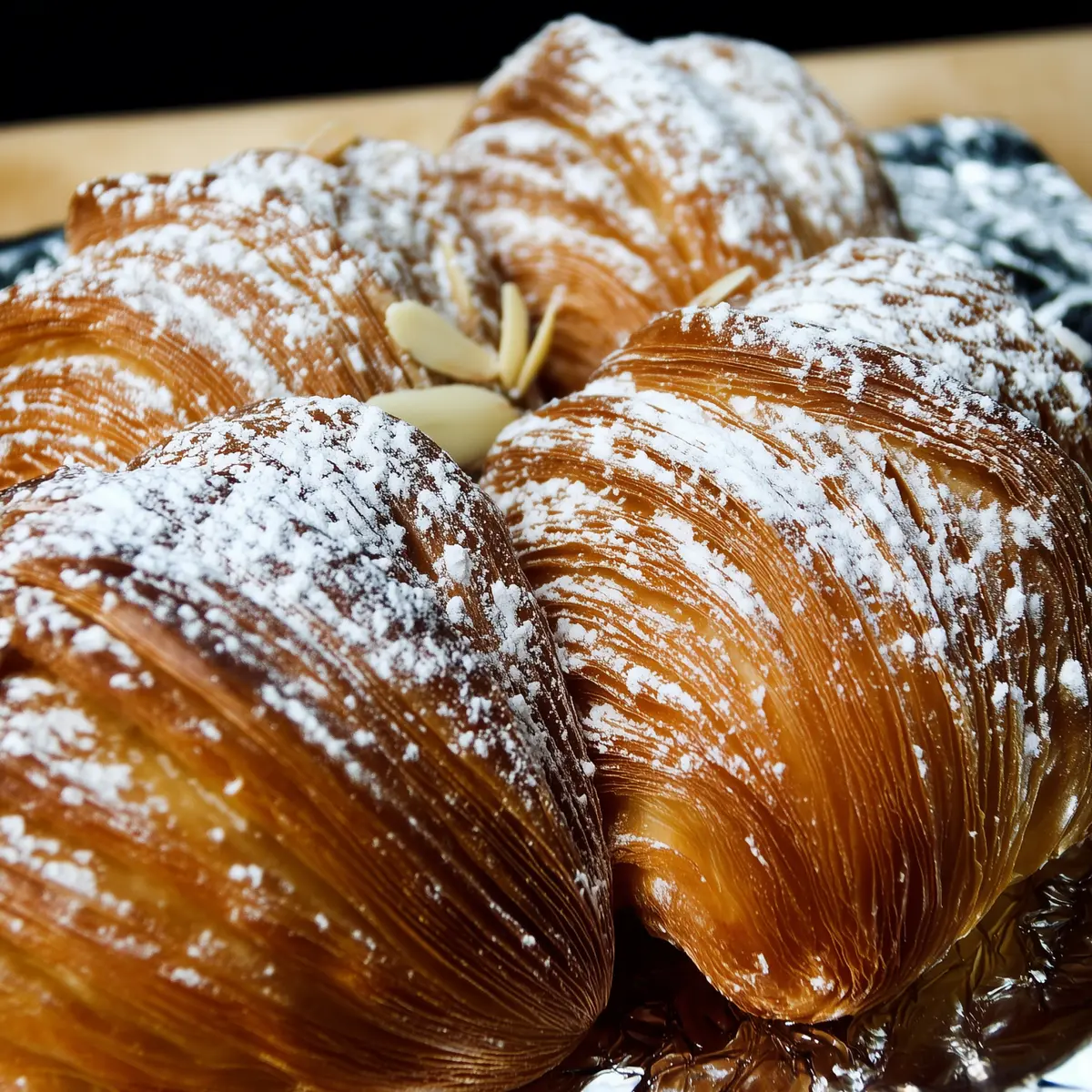
What sets sfogliatella apart isn’t just appearance—it’s the symphony of textures and flavors. The outer shell crackles and flakes, golden at the ridges but pale and shattery at the edges. Tucked inside, you get soft, creamy ricotta, brimming with hints of vanilla and zesty orange, and the subtle chew from semolina that holds it all together.
There’s always a little moment of suspense before that first bite: did the layers separate? Is the filling tender and set? When you finally tuck in—fingers dusted with powdered sugar, flakes everywhere—what greets you is a contrast you can’t get from any other pastry. Warm, cool, crisp, soft, just sweet enough, just a bit savory. It’s a bite that lingers on your tongue and in your memory.
Little Details That Make a Big Difference
Getting sfogliatella right comes down to a handful of practical secrets. Don’t skimp on resting time for your dough—it’s what lets the gluten relax and creates the stretchiness you need for those impossibly thin sheets. Always brush each layer with enough melted lard; it’s key for the signature cracking sound when you break open a finished piece.
If you don’t have sheep’s milk ricotta, don’t sweat it—regular ricotta, well-drained, will do, although you’ll lose a touch of that earthy tang. For the filling, patience matters: allow the semolina to cool before mixing so you don’t scramble your eggs. And while shaping, keep your hands nimble but gentle, so you don’t tear those precious dough shells.
If you’re set on substitutions, butter can stand in for lard at a push, but you’ll lose that daredevil crunch. Want an extra-citrusy note? Add a splash more orange zest, maybe even a whisper of lemon if that’s your style. Leftover sfogliatella? Reheat in a hot oven to crisp them up again—they lose a bit of magic after the first day, but honestly, I rarely have leftovers to test this tip.
How to Serve Sfogliatella for Any Occasion
Sfogliatella is dramatic enough to anchor a dessert spread and comforting enough for late-morning brunch. Serve warm, ideally straight from the oven, dusted liberally with powdered sugar. I love pairing mine with a strong espresso or a frothy cappuccino; the bitterness balances the sweetness perfectly.
At gatherings, these pastries are a guaranteed conversation starter—arrange them on a platter lined with parchment, let guests help themselves, and watch them marvel at those unmistakable layers. Around holiday time, add a dusting of extra zest or even a sprinkle of cinnamon to the powdered sugar for a seasonal twist. And if you’re feeling generous, wrap individual sfogliatelle in parchment and a ribbon—homemade pastries make a shockingly good thank-you gift.
FAQs about Sfogliatella
How should I store leftover sfogliatella?
Keep any leftover sfogliatella in an airtight container at room temperature for up to one day. For longer storage, refrigerate them, though the crust will soften a bit. To restore crispness, reheat briefly in a hot oven before serving.
Can I make the sfogliatella dough or filling ahead of time?
Yes, you can! The dough actually benefits from an overnight rest in the fridge, and the filling can be prepared a day in advance and kept chilled. This makes it much easier to assemble and bake the pastries fresh when you’re ready.
Can I freeze sfogliatella before or after baking?
Sfogliatella can be frozen before baking: shape and fill the pastries, then freeze on a tray before transferring to a sealed container. Bake straight from frozen, adding a few extra minutes. Baked sfogliatelle don’t freeze as well, since their texture loses its characteristic snap.
What are good substitutions for sfogliatella ingredients if I can’t find lard or candied orange peel?
You can use unsalted butter in place of lard for the dough, but note the texture will be a little less crisp. For candied orange peel, try finely shredding fresh orange zest or using another candied citrus peel if needed. Both swaps slightly alter the final flavor but still deliver a satisfying experience.
Conclusion
There’s a quiet triumph in pulling a tray of homemade sfogliatella from your oven—knowing you’ve woven together countless whisper-thin layers and tucked away a bright, creamy secret inside each shell. The reward isn’t just the taste (though that’s incredible): it’s the ritual, the touch, the aroma. Whether you serve these Neapolitan pastries on a Sunday morning or as the star of a festive gathering, sfogliatella brings a little magic and old-world glamour to your kitchen. So take your time, savor the process, and prepare for a first bite that’s unlike anything else you’ll bake all year.
More Delicious Recipes
- Irish Scones: Like sfogliatella, these pastries are perfect for breakfast and carry a delightful texture that pairs wonderfully with a warm beverage.
- Irish Shortbread: This buttery treat shares a love for layers with sfogliatella, perfect for indulging alongside a cup of tea or coffee.
- Irish Beef Stew Dumplings: While savory, these dumplings evoke the comforting feel of homemade pastries and are great for a cozy meal after baking complex treats like sfogliatella.
Ingredients
Method
- Mix the water, flour, honey, and salt in a bowl until the dough is smooth and homogeneous.
- Let the dough rest for 30 minutes, covered with a damp cloth.
- Divide the dough into 4 pieces and roll each one out with a pasta machine, starting at the thickest setting and gradually rolling to the thinnest setting.
- Brush each sheet with melted lard (leave a 2-inch margin unbrushed on each side).
- Roll the first sheet tightly, then overlap with the next sheet and continue rolling.
- Brush lard on each layer as you roll.
- Once the roll is complete, coat the outside with lard, wrap in plastic wrap, and refrigerate for 24 hours.
- In a saucepan, bring water to a boil and slowly whisk in the semolina flour. Cook, stirring constantly, until the mixture forms a firm, dry dough.
- Let the semolina mixture cool.
- In a mixer, combine ricotta, sugar, eggs, vanilla extract, grated orange zest, candied orange peel, and the cooled semolina. Blend until smooth.
- Remove the dough roll from the refrigerator and slice it into 1-cm-thick rounds.
- Gently massage each slice with your fingers to form a cone shape, creating a pocket for the filling.
- Spoon the ricotta filling into the cone, ensuring it’s not overfilled, then pinch the open edges to close.
- Preheat the oven to 356°F (180°C).
- Place the sfogliatelle on a baking sheet lined with parchment paper.
- Brush the tops with beaten egg yolk for a golden finish.
- Bake for 25 minutes, or until the pastries are golden and crisp.
- Allow the sfogliatelle to cool slightly.
- Dust generously with powdered sugar before serving.