Italian Easter Cheese Bread: A Delicious Tradition
When I think back on the Easters of my childhood, the kitchen was always humming with the promise of something special: golden loaves cooling on the counter, the air thick with the scent of cheese and freshly baked bread. Italian Easter Cheese Bread transforms an ordinary afternoon into a kind of holiday, but honestly, it’s the sort of bread that refuses to be tucked away until spring. The magic is in those first few slices—still warm, with edges crisp from the oven and a middle that’s almost pillowy, stretchy, featherlight. There’s a humble luxury here: bread sturdy enough for a celebratory table but tender and cheesy enough for late-night snacking.
You’ll find this bread woven through many Italian family tables at Easter, but I’m not above baking it on a random cold weekend in December just because I can’t resist. The ritual of mixing, kneading, and waiting cannot be rushed—there’s a kind of old-world patience to the process, as if you’re channeling the hands of every grandmother who’s made their own braided loaf, dusted with flour and hope. Whether you’re serving it alongside ham, dipping it in soup, or just tearing away a chunk while it’s still steaming, there’s something profoundly satisfying about this cheese-studded bread. Every bite brings a little nudge of nostalgia, a hint of decadence from sharp cheese, and a faintly peppery finish that keeps you coming back for more.
When Italian Easter Cheese Bread Steals the Spotlight
There’s just something about a braided loaf—especially one brimming with cheese and eggs—that feels like it demands attention. Italian Easter Cheese Bread isn’t shy; it strides right up onto the center of the holiday table and practically elbows aside everything else. My family always hovered, waiting for the moment I’d brush that first golden, slightly shiny slice with a little softened butter—or, let’s be honest, just pass it straight across for hungry hands. It’s a bread that lives large in memories and in the moment, with its tender crumb and unmistakable aroma filling the house.
The truth is, you don’t need a holiday to appreciate this bread. Sure, it has roots in Easter celebrations, where it’s often the reward after fasting or a rich way to break a season of plain meals. But over the years, it’s become a year-round favorite for us. Whether you’re pairing it with salty ham, big platters of cheese, or even just snacking on it solo, the blend of eggy dough and sharp cheese is so much more than the sum of its parts.
The Ingredients That Transform Basic Dough Into Celebration
What draws you into Italian Easter Cheese Bread isn’t just the cheese (although, wow, does the cheese play a starring role). It’s the way each ingredient nudges the dough further from the everyday and closer to celebration territory. Here’s what you’ll want on your counter before you begin:
- flour – the backbone of the loaf, providing structure and that familiar, comforting chew.
- Instant yeast – brings the dough to life and gives the bread its signature airy lift.
- Eggs – add a gentle yellow hue, give richness, and make the loaf impossibly tender.
- Egg yolk – deepens the color and adds yet another punch of richness to the crumb.
- Lukewarm water – wakes up the yeast and brings everything together; not too hot or you’ll risk taming the yeast.
- Softened butter – melts quietly into the dough, keeping it soft and adding that unmistakable richness.
- Salt – seasons each bite, keeping flavors sharp and bread from falling flat.
- Ground pepper – brings an almost invisible warmth; black if you want a little speckle, or white for subtlety.
- Freshly grated Parmesan, Romano, or Asiago cheese – here’s the heart of the recipe: in every pocket, a bit of salt, sharpness, and depth that ordinary breads can only envy.
- Reserved egg white and cold water – for that flawless golden glaze just before baking; the finishing touch that catches the light beautifully.
See the recipe card below for the full list of ingredients and measurements.
Building Cheese Bread from Scratch
Patience is part of this bread’s secret code. You’re not just assembling ingredients—you’re coaxing texture, flavor, and warmth into every strand of dough. Here’s the path I follow:
- Start with your best mixer and a bread hook (or sturdy arms, if you’re feeling traditional). Combine everything except the cheese. First, pull the mixture together with a wooden spoon—you want to see shaggy patches and messy streaks before the real magic starts.
- Knead with your dough hook for a good long stretch. The dough should get stretchy, sticky, and elastic—messy hands are a good sign at this stage.
- Once things feel smooth, add the cheese slowly. You’re going for ribbons and pockets, not one solid block, so let the dough fold it in at its own pace.
- Shape the dough into a gentle ball and coat it lightly with baking spray. Give it a turn in the bowl to coat every surface. Cover tightly with sprayed plastic wrap—no one likes stuck dough—and let it rise until puffy and doubled, usually about an hour.
- Punch down the dough. I fold the edges into the center a few times, just enough to knock out the big air bubbles and give the dough a fresh sense of possibility. Rest it again, covered, for another hour.
- Next comes the art: split the dough into three and braid it loosely. Tuck the ends under and drop that beauty into a greased loaf pan. Cover, let it rise yet again—this time, patience pays off with a gravity-defying lift over two hours or so.
- Preheat your oven well ahead, so it’s blazing hot. Just before baking, whisk the reserved egg white with a splash of water and brush all over the dough’s surface for sheen.
- Slide the bread into the oven for an initial blast of heat, then lower the temperature to let the crumb set and develop a deep, bronzed crust. If it darkens too fast, a little foil cap solves the problem without losing the crust’s snap.
- Let it cool in the pan for a few minutes—just enough for the structure to settle—then finish cooling on a rack. The bottom should sound hollow when tapped. If not, give it a bit more time in the oven; underbaked bread is the enemy here.
How the Scent and Texture Bring Everything Home
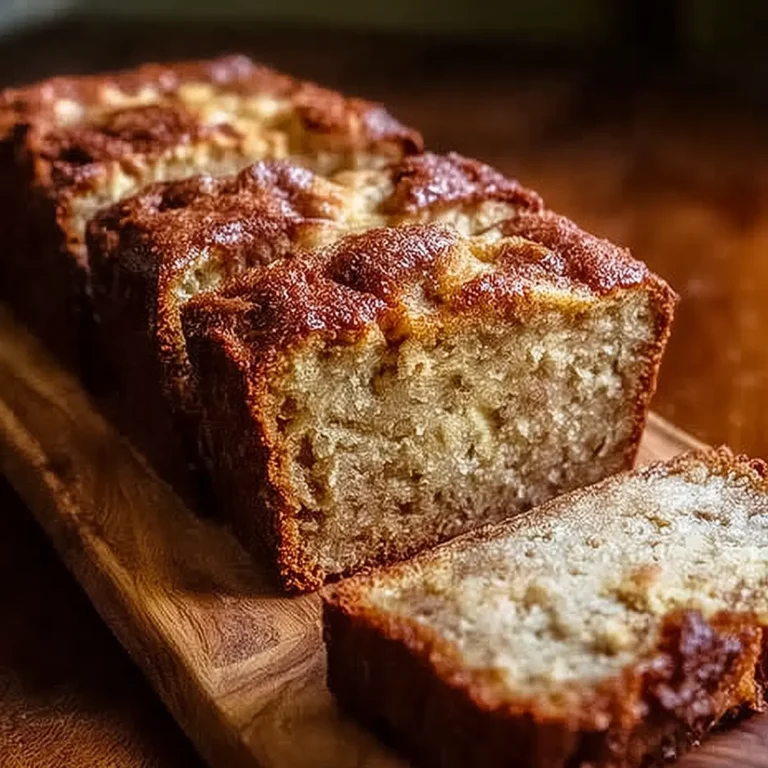
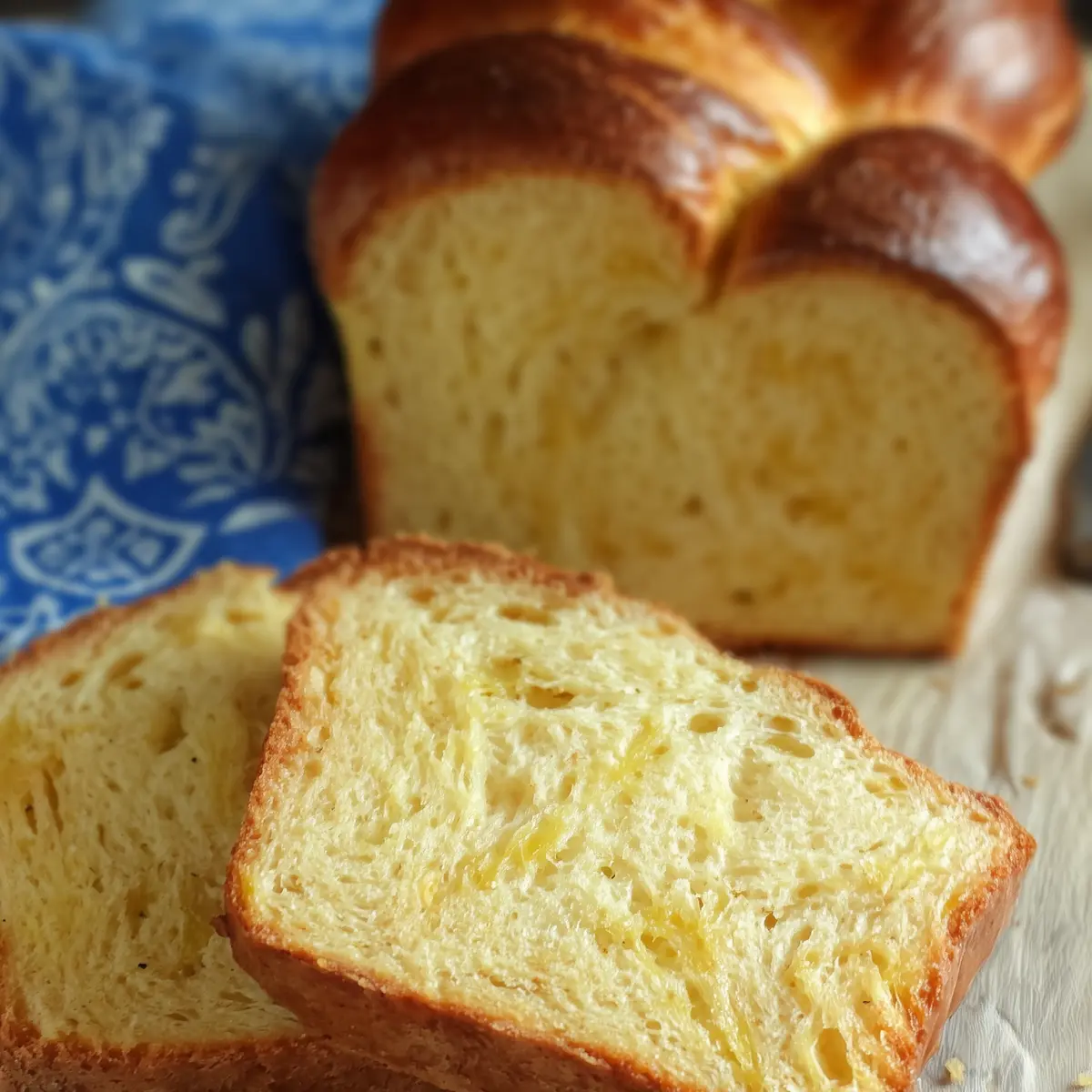
Cracking through the top crust of Italian Easter Cheese Bread is a little joy all its own—the faintest crunch, then a whiff of tangy cheese and sweet yeast that hits before you even slice. The crumb has a soft bounce, slightly elastic but never gummy. You’ll spot streaks of cheese and flecks of pepper in each cut. When you inhale, there’s a savory nuttiness that somehow always reminds me of bustling kitchens and distant laughter.
Fresh from the oven, the bread is at its best: the inside is steamy, almost cloudlike, with pools of melted cheese woven throughout. Once cooled, the loaf slices neatly and keeps its moistness for days, never drying out or going stale too fast. Toasting brings another dimension, crisping up the exterior and awakening the underlying flavors. There’s nothing like the illicit pleasure of pulling apart a still-warm chunk, watching stretchy strands of cheese bridge the gap between the halves.
Little Tricks for Perfect Easter Bread
The best bread always hides a few secrets in the process. If your kitchen is drafty or you’re making this on a chilly day, tuck the bowl inside your (off) oven with just the oven light on—it creates a cozy, foolproof environment for the dough. Don’t be tempted to skimp on the rise times; every extra minute the dough sits brings better structure and deeper flavor, even if it tests your patience.
For substitutions, don’t be afraid to swap in Asiago or Romano if you’re missing Parmesan, or even blend two cheeses for a layered taste. Love pepper? Use black for a visual pop or white if you just want the warmth with none of the specks. If you end up with extra, this bread freezes beautifully. Slice and wrap portions tightly—when a craving strikes, a quick toast brings back all that richness and chewiness. Oh, and one more thing: don’t skip the egg wash. That golden, shiny top is part of the visual appeal.
Serving and Sharing Ideas for Easter Cheese Bread
At Easter, there’s almost always a squabble over who gets the end pieces—crisp, golden, and just a little bit richer from the pan. I love this bread best split while still faintly warm, spread with sweet (or salted) butter, or served alongside smoky ham and garlicky sautéed greens. It pairs easily with soups: think creamy tomato, minestrone, or chicken broth spiked with a shower of grated cheese.
When you’ve got leftovers, try using slices for savory French toast, or blitz cubes of bread in the food processor for the world’s most decadent breadcrumbs. For an appetizer, spread tiny toast rounds thick with ricotta and a pinch of black pepper, then top with bits of sun-dried tomato or thin slices of prosciutto. And don’t underestimate the charm of gifting a loaf: this bread has a way of making friends at any brunch, picnic basket, or as a just-because gesture for the neighbors.
FAQs about Italian Easter Cheese Bread
How long does Italian Easter Cheese Bread stay fresh?
If wrapped well and kept at room temperature, Italian Easter Cheese Bread stays soft and flavorful for about 3–4 days. For longer storage, slice and freeze portions, then reheat as needed for a near-fresh texture.
What cheeses work best in this Easter bread?
Classic options include Parmesan, Romano, or Asiago; all bring sharpness and a salty bite. A mix of two or even all three adds depth, but you can substitute with any semi-hard, well-aged Italian cheese if needed.
Can you freeze Italian Easter Cheese Bread?
Absolutely. Once fully cooled, wrap slices or portions airtight and store them in the freezer for up to a month. Thaw at room temperature or toast straight from frozen—either way, the bread regains its soft crumb and cheesy aroma.
What should I do if my cheese bread doesn’t rise enough?
Check that your yeast is fresh and the dough had enough warmth to rise—cool kitchens can slow things down. Be patient with proofing, and if needed, move the dough to a warmer spot or just allow more time until it’s nearly doubled in size.
There’s a reason Italian Easter Cheese Bread has a place of honor at so many tables: it brings together comfort, tradition, and undeniable flavor in every golden braid. Making it by hand feels both old-fashioned and gently rebellious in a world racing toward convenience. If you bake a loaf—from the first crack of eggs to the last bite still warm from the oven—you’ll understand why this bread keeps making a comeback long after the last Easter egg is found. Serve it any time you crave something celebratory, reassuring, and just a little bit extraordinary.
More Delicious Recipes
- Irish Shortbread: This sweet treat offers a buttery flavor that complements the richness of cheese bread perfectly.
- Classic Dublin Style Irish Lamb Stew: A hearty stew that pairs beautifully with the savory notes of Italian Easter Cheese Bread.
- Irish Scones: These fluffy scones are the perfect side for a meal alongside any rich bread, making them a great companion for your cheese bread.

Italian Easter Cheese Bread
Ingredients
Equipment
Method
- Use a stand mixer with a bread hook. Put all of the ingredients EXCEPT the cheese into the mixer bowl. First mix the ingredients together with a wooden spoon then use the bread hook to knead for about 15 minutes. The dough will be sticky.
- Slowly add the cheese and continue to blend with the dough hook.
- Spray a glass bowl with baking spray. Form a ball of dough and place it in the sprayed bowl. Turn the ball of dough a few times so that all sides are covered. Then spray a sheet of plastic wrap with baking spray and place on top of the bowl. Let the dough rise for one hour.
- Punch down the dough a few times, folding the sides into the middle. Let the dough rest for an additional hour.
- Divide the dough into three strands and braid, tucking the ends under as you place the braided dough into a greased loaf pan.
- Use the sprayed plastic wrap and cover the dough pan. The dough will need to rise for about 2 hours or until it is nearly double in height.
- Preheat your oven to 425 degrees F.
- Make an egg wash by whisking together the egg white and a small bit of water. Brush this on top of your bread.
- Bake the bread for 15 minutes at 425 degrees, then reduce the oven temp to 350 degrees F. If the top has browned already, use a piece of aluminum foil to cover the top of the bread. Bake for 30 more minutes.
- Remove from the oven and let the bread sit in the pan for 5-10 minutes before placing it on a wire cooling rack. If you knock on the bottom of the bread it should sound hollow. If not, bake the bread for another 15 minutes.