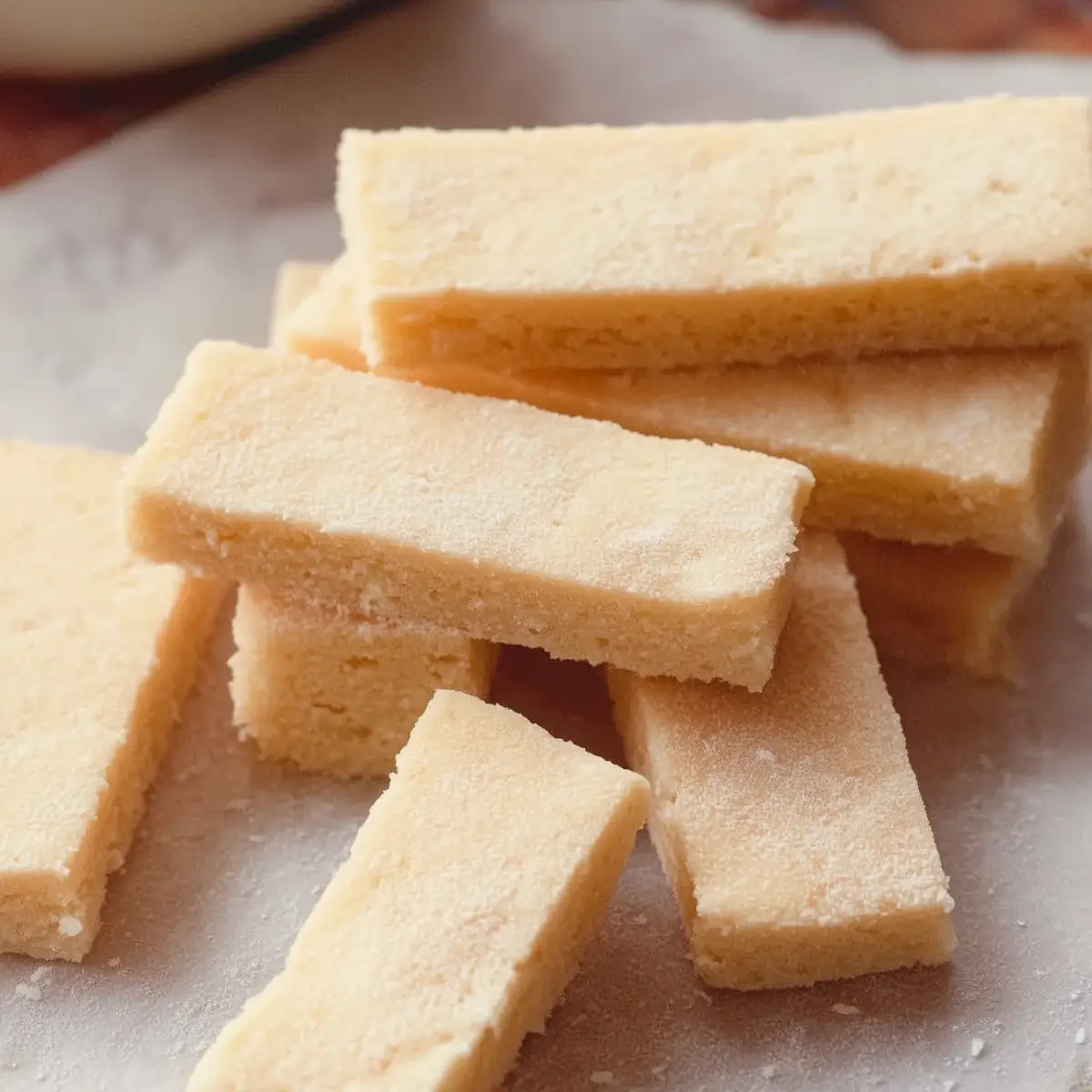
Irish Shortbread: A Buttery Classic Everyone Loves
If you’ve ever found yourself staring into the kitchen, craving something sweet that’s simple, classic, and downright cozy, Irish Shortbread is calling your name. You know those days when you don’t want a big production—just meltingly tender cookies and the golden aroma of real butter in the air? That’s what this treat delivers. There’s nothing complicated hiding here, just rich, buttery magic and a perfect sandy crunch with every bite.
The way the crisp edges give way to a mellow, delicate center makes these cookies something special. What I love most is you don’t need fancy equipment or rare ingredients. Just a little patience, some good old-fashioned creaming, and a willingness to get flour on your hands. Let’s roll up our sleeves and bring a bit of Irish home.
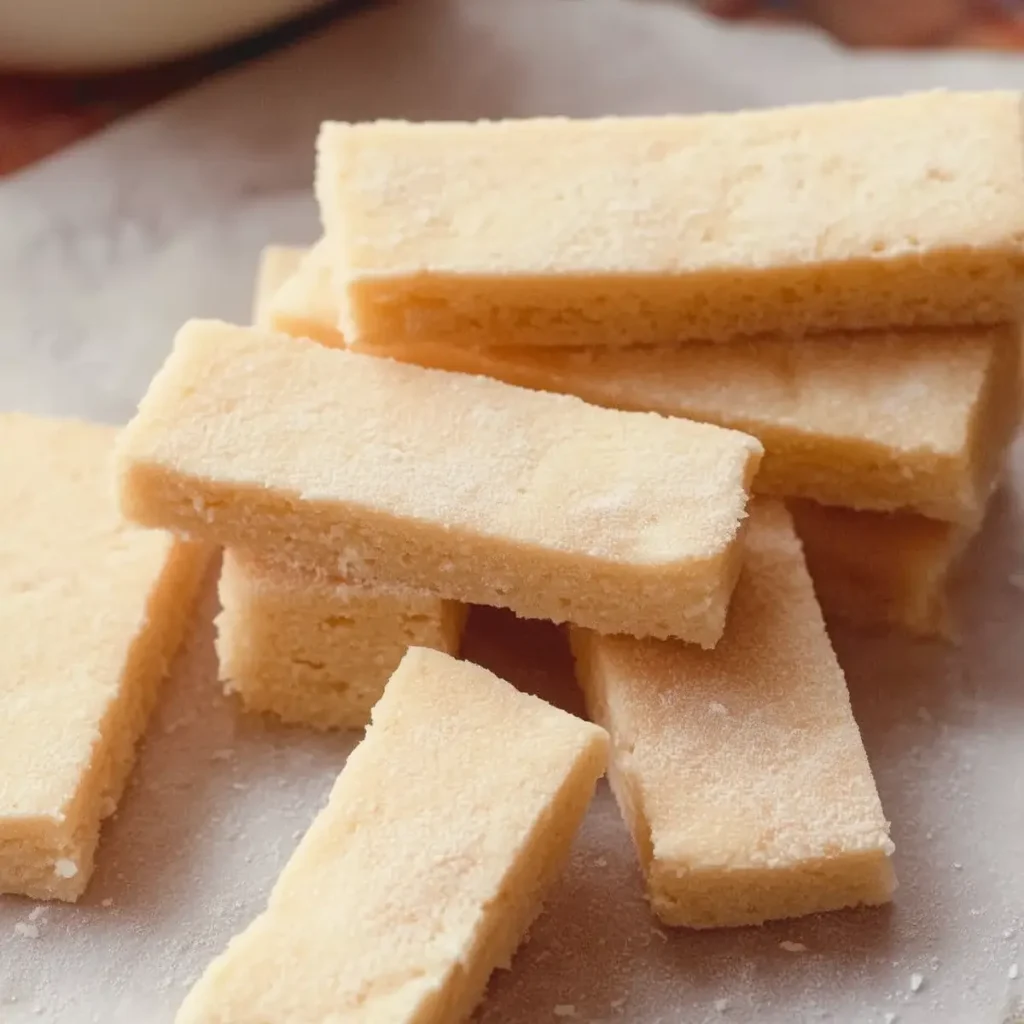
Buttery Classic Everyone Loves
There’s no denying the charm of a batch of Irish Shortbread set out on the table. These cookies have a way of whisking you back to holiday afternoons or unexpected tea times, where comfort is found in the simplest treats. The secret, of course, is the unmistakable flavor of real butter—rich, creamy, and just sweet enough.
Whether you’re baking for St. Patrick’s Day, sharing with friends over coffee, or sneaking a biscuit as a midnight snack (highly recommended), this recipe has you covered. Irish Shortbread isn’t just delicious; it’s wonderfully reliable. The process is calming, the ingredients are humble, but the result is utterly special every single time.
Spotlight on Irish Shortbread Ingredients
You don’t need much to make true Irish Shortbread, and what you do need is likely already in your pantry. Here’s a look at the essentials:
- butter: imparts a rich, creamy flavor and makes for that dreamy melt-in-the-mouth crumb.
- White granulated sugar: lightly sweetens the cookie without making it cloying, plus gives a classic crunch when sprinkled on top.
- All-purpose flour: forms the sturdy backbone of the dough, delivering crisp edges and a delicate texture.
- Cornstarch: keeps the shortbread irresistibly tender, adding a slightly sandy bite.
See the recipe card below for the full list of ingredients and measurements.
Simple Substitutions and Whatever-You’ve-Got Fixes
Sometimes you just don’t have exactly what you need, but shortbread’s beauty is its flexibility. Swap in European-style butter if Irish butter isn’t on hand—the flavor will still be rich, just a touch different. You can use caster sugar if you want an even finer crumb. If you’re aiming for gluten-free, choose a 1:1 gluten-free flour blend, keeping in mind the texture may be slightly less traditional but still totally satisfying. And for an extra note, a splash of vanilla extract can nudge the cookies toward dessert territory, but the classic version keeps things pure and buttery.
Easy Swaps and Tweaks for Your Shortbread
When someone in your crew has dietary needs or you’re just experimenting, Irish Shortbread is easy to adapt. For dairy-free folks, try a good-quality vegan butter alternative—choose one with a higher fat content for the best “melt.” Whole wheat flour will add rustic flavor and a firmer bite. You might swap cornstarch with fine rice flour for a subtly different sandy texture.
For flavor variations, citrus zest (lemon or orange) gives a fresh twist, while a pinch of finely chopped rosemary provides a savory edge that works surprisingly well with sweet tea. Love chocolate? Sprinkle the finished cookies with chocolate shavings before the extra sugar topping. With shortbread, traditions are strong, but creativity is definitely encouraged.
How to Make Irish Shortbread Like a Pro
Irish Shortbread doesn’t ask much—just a gentle hand and a little patience as the aroma fills your kitchen. Here’s how to bring it all together without fuss:
- Start by prepping your baking pan. Grease it with butter, then line with parchment, leaving some extra hanging over the sides for easy lifting later.
- In a mixing bowl, cream your butter and sugar until the mixture becomes pale and fluffy. This builds both structure and a delicate crumb.
- Add the sifted flour and cornstarch, blending until the mixture looks crumbly and even—don’t overwork it or you’ll lose that signature shortbread snap.
- Transfer the dough into your pan. Using floured hands, press it down with a firm, even touch; don’t be afraid to get hands-on here. Flatten and compact the surface nicely.
- Grab a sharp knife and score the dough into traditional fingers or wedges. Use a fork to prick the top, which helps avoid bubbles and keeps your shortbread flat and pretty.
- Bake until the edges are just beginning to turn gold, and the top stays a soft, pale blonde. The scent at this stage? Pure, irresistible, buttery heaven.
- When it’s done, immediately sprinkle extra sugar over the top so it sticks. Let the pan cool briefly before you recut along those score marks and lift the shortbread out to cool fully.
- Once cool, store your shortbread in a container so it stays crisp and fresh. If you prefer a firmer bite, refrigerate it—the texture keeps beautifully and the flavor even intensifies over the next day or two.
Getting the Perfect Shortbread Texture
The real secret to excellent Irish Shortbread is in the way you handle the dough. Don’t rush the creaming—this step brings air into the mix, keeping things light. Overmixing once you add the flour is a no-go, though; shortbread should never be tough or chewy.
If your dough seems crumbly, don’t panic. It’s supposed to come together just when pressed, not behave like a sticky cookie dough. Press it firmly into the tin, making sure you get right into the corners. Slicing the dough before baking means you’ll get those bakery-style fingers, and the fork pricks aren’t just for looks—they help keep the bake even.
To store, let the shortbread cool completely before boxing it up. Airtight containers keep things fresh for days, though I’ve never seen a batch last that long. And if you’re making ahead for a crowd, these cookies freeze like a dream—just layer between parchment and let them thaw at room temperature.
Pairings and Creative Variations
Irish Shortbread is perfect with a strong cup of tea—black or herbal, depending on your mood. The mild, buttery flavor pairs beautifully with coffee as well as a scoop of vanilla ice cream on the side for dessert.
If you’re looking to dress things up, dip half the cookie in melted dark chocolate and let it set, or sprinkle the tops with a dusting of cinnamon sugar for a wintry touch. A layer of lemon curd or raspberry jam between two thin pieces makes a stellar sandwich cookie, while a drizzle of honey or maple syrup will add a modern twist.
This is also a lovely recipe to double up for the holidays or special occasions because shortbread keeps fresh and crisp. These cookies are as at home on a Christmas platter as they are on a spring picnic. If you want a flavor pop, add a few drops of almond extract or a handful of toasted chopped nuts.
FAQs about Irish Shortbread
What’s the difference between Irish Shortbread and Scottish shortbread?
Irish Shortbread tends to use only four simple ingredients and leans on a higher proportion of butter for melt-in-the-mouth texture. Scottish versions sometimes include rice flour or a touch more sugar, making them crumblier and slightly sweeter.
Does Irish Shortbread require chilling?
No, this dough doesn’t need to chill before baking. You can go straight from mixing to pan, which saves time and delivers delicate, crisp results.
How long does homemade shortbread stay fresh?
Homemade shortbread stays tender and crisp for about a week at room temperature in a sealed container. For longer storage, you can refrigerate or freeze it to keep the texture perfect.
Can I freeze Irish Shortbread?
Yes, you can freeze Irish Shortbread. Let it cool completely, then store in an airtight container with parchment between layers. Thaw at room temperature before serving for the best flavor and texture.
Final Thoughts on Irish Shortbread
There’s something timeless about a tray of just-baked Irish Shortbread waiting on the counter. With a handful of familiar ingredients and a little care, you’ll end up with cookies that melt in your mouth and fill your kitchen with buttery warmth.
Whether you’re baking on a whim or planning for a special occasion, this is one recipe you’ll want to make—and share—again and again. Happy baking and enjoy every crumb!
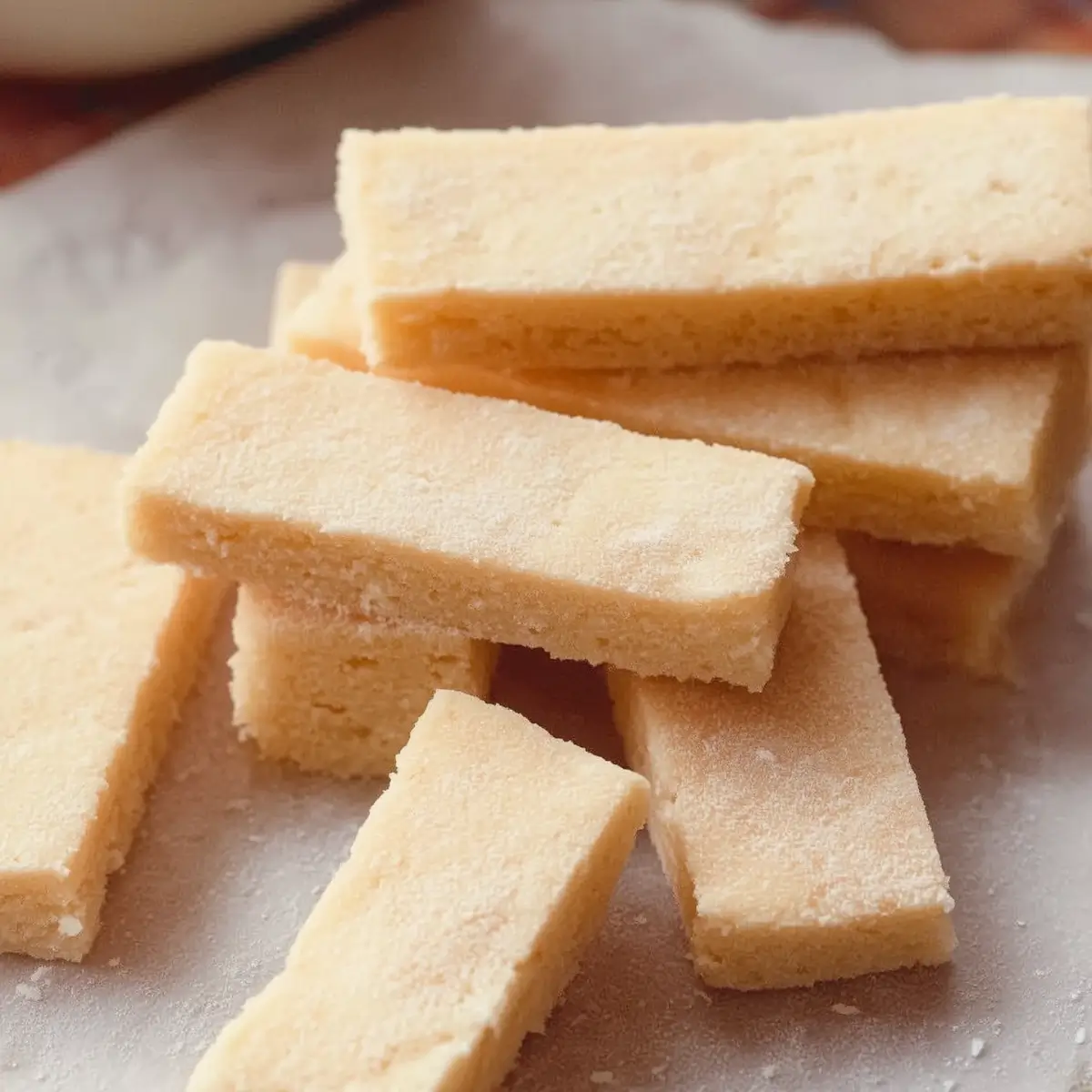

Irish Shortbread Recipe
Ingredients
Equipment
Method
- Prep work. Preheat your oven to 300°F / 300°F / gas mark 2. Grease an 8 in x 8 in / 20 cm x 20 cm baking pan with butter and line with a piece of parchment (baking) paper, leaving a 1-in / 2.5 cm overhang on 2 sides of the pan for easy removal.
- Combine ingredients. Using a wooden spoon or an electric mixer, cream the butter and sugar until light, pale, and fluffy. Add the sifted flour and cornstarch and blend until the ingredients are combined and resemble coarse crumbs.
- Press dough into baking dish. Tip the dough mixture into the prepared baking pan. Using floured hands, firmly press the mixture into a level, compact surface.
- Prick and score. Use a sharp, pointy knife to cut the dough into fingers. Pierce the surface with the tines of a fork to keep the shortbread level.
- Bake. Bake for 35 to 45 minutes, until a light golden color and the edges begin just to turn golden.
- Let cool. Remove the shortbread from the oven and sprinkle it liberally with sugar. Let the shortbread sit in the pan for 5 to 10 minutes. Then use a very sharp knife to re-slice the previous indents.
- Cut shortbread. Carefully lift the shortbread out of the pan and let cool completely.
- Store. Store cooled Irish butter shortbread cookies in an airtight container. They will last for 7 days at room temperature or 2 weeks in the refrigerator.