Corned Beef and Cabbage: A Classic Comfort Food
There’s nothing quite like the scent of simmering corned beef and cabbage to announce that something hearty and special is on the stove. Every year when that unmistakable aroma fills my kitchen—savory, briny, and edged with sweet earthiness from carrots and potatoes—it transports me straight to a table set for celebration. Whether you make it for St. Patrick’s Day or just because the weather begs for comfort, this classic corned beef and cabbage always promises fork-tender meat, silky vegetables, and a meal that makes home feel just a little warmer. I’ve tried a few tweaks over the years, but I always come back to this method: simple, unfussy, and built on flavors that just work.
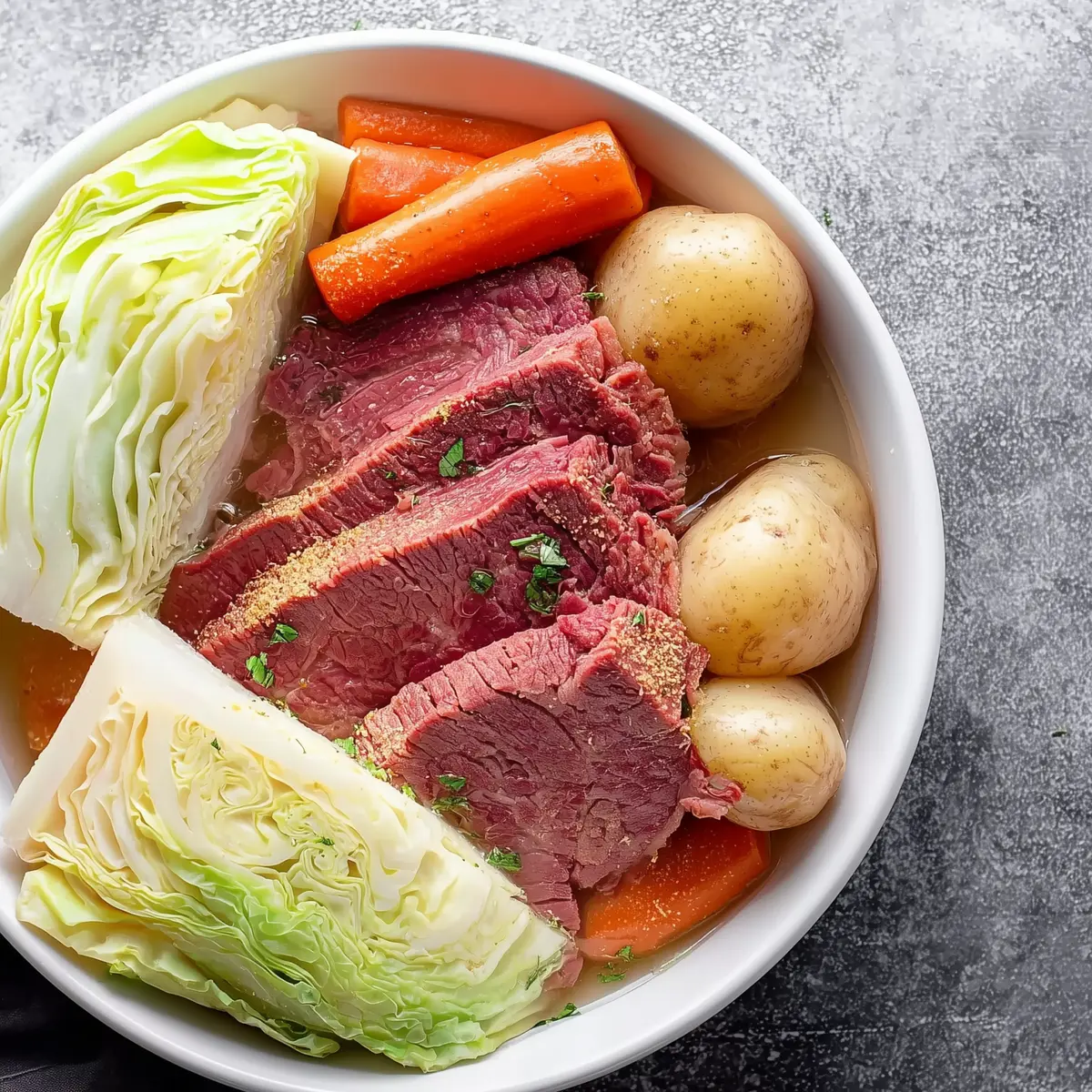
What Makes This Corned Beef and Cabbage So Special
If you’ve ever been hesitant to cook corned beef and cabbage at home, let me reassure you—there’s not much to it, and the payoff is beyond worth it. This isn’t just a meal to mark St. Patrick’s Day (though it absolutely belongs there); it’s a cozy, all-in-one dinner that fills the house with savory steam and feels lovingly old-fashioned. The beauty of this recipe is the way the beef—already well-seasoned and just a little bit salty—melds with the sweet, peppery bite of cabbage and the gentle flavors of carrots and potatoes. As everything simmers together, the broth grows richly fragrant, the veggies turn buttery, and the beef slices up tender enough to fall apart under your fork. It’s classic comfort food that never goes out of style.
The Ingredients That Turn Corned Beef and Cabbage into Comfort Food
- corned beef brisket – This is the star, cured with pickling spices for deep, savory flavor and melt-in-your-mouth texture.
- Bay leaf – Adds a subtle botanical warmth that floats through every bite.
- Cabbage – When simmered, cabbage turns sweet and tender, soaking up all that flavorful broth.
- Carrots – Lend sweetness and cheerful color, balancing the savoriness of the beef.
- Yellow onion – Gives soft, aromatic depth and almost disappears into the background as it cooks.
- Russet potatoes – Hearty, starchy potatoes soak up the broth and round out the meal.
- Water – Simple as it sounds, it’s the vehicle that carries all the flavors and keeps the beef tender.
- Butter and kosher salt (for serving) – Whether you use classic or plant-based, butter and a sprinkle of salt finish the veggies with richness.
See the recipe card below for the full list of ingredients and measurements.
Bringing This Corned Beef and Cabbage Together on the Stovetop
Cooking corned beef and cabbage is all about patience and gentle simmering—no fancy gadgets or tricky techniques required.
- Start by unwrapping your brisket. Give it a quick rinse or just pat it dry, then nestle it fat side up in a big Dutch oven or heavy pot—something roomy enough for the vegetables you’ll add later.
- Sprinkle the spice packet from the brisket all over the meat, drop in a bay leaf, and pour in enough water to just cover everything. This is how the flavors really start to build.
- Set the pot over medium heat and bring it to a simmer. Once it bubbles, cover the pot and reduce the heat—let it quietly simmer for a few hours. This is when the magic happens: the beef turns silky, and the kitchen smells incredible.
- After a few hours, it’s time for the veggies. Toss the potatoes, carrots, and onion right into the pot, cover, and let everything bubble for about ten minutes. The vegetables will start softening, but you want them a little firm still—there’s one more step.
- Now, nestle in the cabbage wedges. Transform the pot into a mini steam bath by covering again and letting the cabbage steam in that broth for another ten minutes or so, just until it yields to a fork but isn’t falling apart.
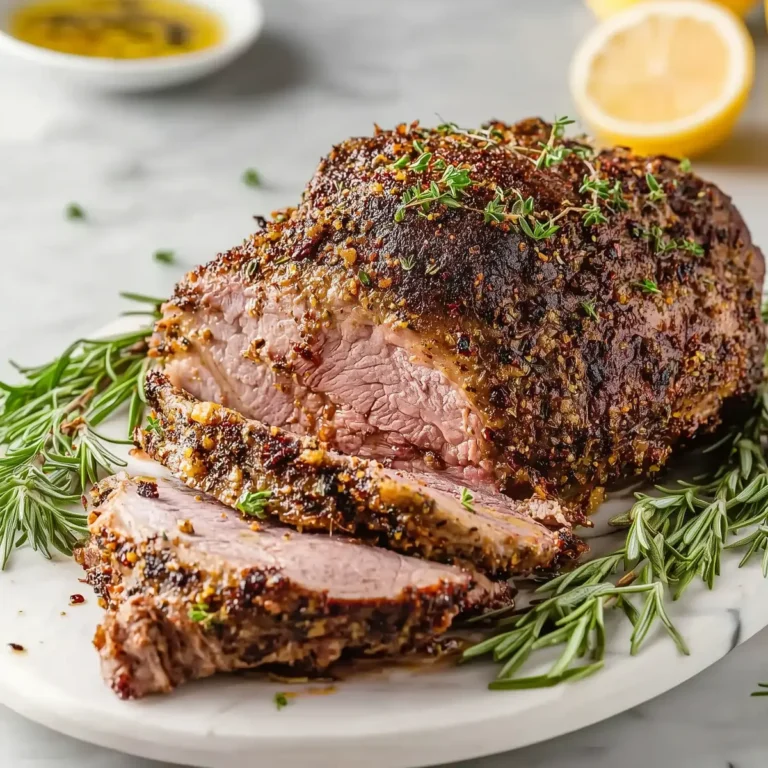
- Once everything’s tender, carefully lift out the meat and veggies to a platter. Let the brisket rest, then slice it against the grain for maximum tenderness. Spoon some of the hot, fragrant broth over everything—you’ll want it to soak into the potatoes and cabbage.
- At the table, finish with butter and salt on the veggies and drizzle some extra broth over the meat for that classic au jus effect. It’s pure comfort, ready to share.
How to Get That Melt-in-Your-Mouth Texture in Corned Beef and Cabbage
The secret to unforgettable corned beef and cabbage? Low, slow simmering—the kind of gentle heat that transforms a tough brisket into buttery slices. Don’t rush the process or crank the heat; boiling can toughen the meat and evaporate your precious broth too quickly. Always keep an eye on the pot to make sure the brisket is barely covered, adding a splash more water if things look dry. When it’s time to add the vegetables, resist the urge to overcook them. You want the potatoes and carrots tender but not mush, and the cabbage just-soft with a little bite left. Finally, take a minute to rest the meat before slicing; it makes all the difference for juicy, satisfying slices.
Tips, Variations, and Serving Ideas for Corned Beef and Cabbage
A few little details can make homemade corned beef and cabbage even more rewarding. Try using red potatoes for a creamier texture, or mix in turnips or parsnips for a subtle twist. If you love a deeper flavor, slip in a few peppercorns or a splash of beer with the water—just keep the total liquid high enough so the meat stays submerged during cooking. Leftovers are an absolute gift: fry up chopped beef and veggies in a skillet for breakfast hash the next day, or tuck them into a sandwich with spicy mustard. To store, keep everything in the broth so it stays moist, and reheat gently. This is truly a dish that tastes even better the second day.
FAQs about Corned Beef and Cabbage
Can I make corned beef and cabbage in a slow cooker?
Yes, you can prepare corned beef and cabbage in a slow cooker. Set your brisket, spices, and water on low for about eight hours, then add the vegetables during the last two hours. This method reliably yields very tender results.
What’s the best way to store leftover corned beef and cabbage?
Store any leftovers in an airtight container, ideally with some of the cooking liquid, in the refrigerator. The broth helps keep the meat and vegetables from drying out and lets the flavors continue to mingle.
Should I rinse corned beef before cooking?
Rinsing corned beef before cooking is totally optional. It can help reduce excess salt on the surface, especially if you prefer a slightly milder flavor, but it’s just fine to pat it dry and go straight into your pot.
Can you freeze cooked corned beef and cabbage?
You can freeze cooked corned beef, though the vegetables may soften even more when thawed and reheated. Slice the meat, pack it with a bit of broth, and use within three months for the best flavor and texture.
What are some creative ways to serve leftover corned beef and cabbage?
Leftover corned beef and cabbage are fantastic for hash—simply chop them up and fry until crisp. You can also add the meat to sandwiches or dice it into soups for extra heartiness.
After a meal like this, you can see why corned beef and cabbage has held onto its spot as a beloved classic. The slow simmer, the moment you slice through that rosy, tender brisket, and the way the warm broth soaks into the vegetables—it’s all the reason you need to gather everyone around the table. Ladle up a generous plate, pass the butter, and enjoy every soulful bite.
More Delicious Recipes
- St. Patrick’s Day Irish Nachos with Corned Beef and Cabbage: These nachos make a fun twist on traditional ingredients, perfect for St. Patrick’s Day celebrations.
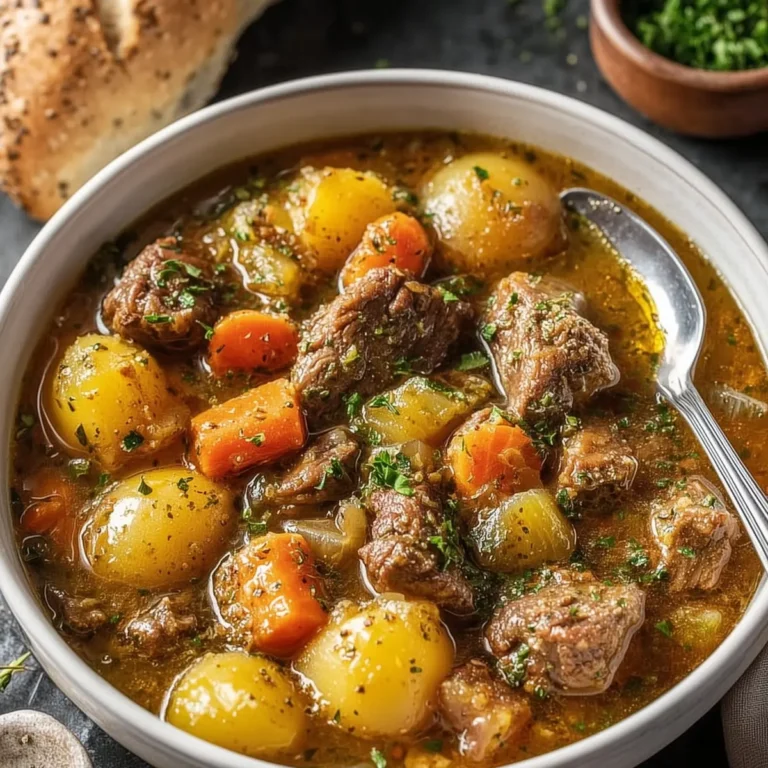
- Irish Beef Stew Dumplings: A hearty beef stew with dumplings that brings comforting flavors reminiscent of corned beef and cabbage.
- Crispy Irish Bacon Potato Skillet: This dish features savory bacon and potatoes, making it another wonderful comfort food option for chilly days.

Corned Beef and Cabbage
Ingredients
Equipment
Method
- Prep Brisket: Remove brisket from packaging (rinse off if you desire or pat dry). Place in a large (5.5qt) Dutch Oven or other large pot - fat side up.
- Spices + Water: Take spice packet from brisket package and sprinkle on top of brisket; add in bay leaf. Add water until brisket is barely covered (approx. 5-6 cups).
- Cook/Simmer: Bring to a boil; Cover and reduce heat and simmer for approx. 3 hours (for a 3 pound brisket) or more (you can prepare your vegetables during this time). Tip - Make sure it stays on a nice simmer - if it boils you may lose too much water during this process.
- Add Veggies: After approximately 3 hours of simmering, add potatoes, carrots, and onion. Cover and bring back to boil for 5-10 minutes (feel free to boil the potatoes/carrots longer if you prefer a softer texture, but they will be cooked for an additional 5-10 minutes in the next step).
- Add Cabbage: Then add cabbage wedges, cover again, continue boiling for an additional 5-10 minutes (this essentially steams the cabbage).
- Remove + Rest: Remove the cabbage, potatoes, carrots, onion and corned beef and place on a large plate or platter. Let the meat rest 5-10 minutes, sliced against the grain and then serve.
- Serving Suggestion: Serve the cooking liquid/broth as 'au jus' poured over the meat. Serve cabbage and potatoes with butter and salt.