Lamb Ragu: A Rich and Satisfying Comfort Food Recipe
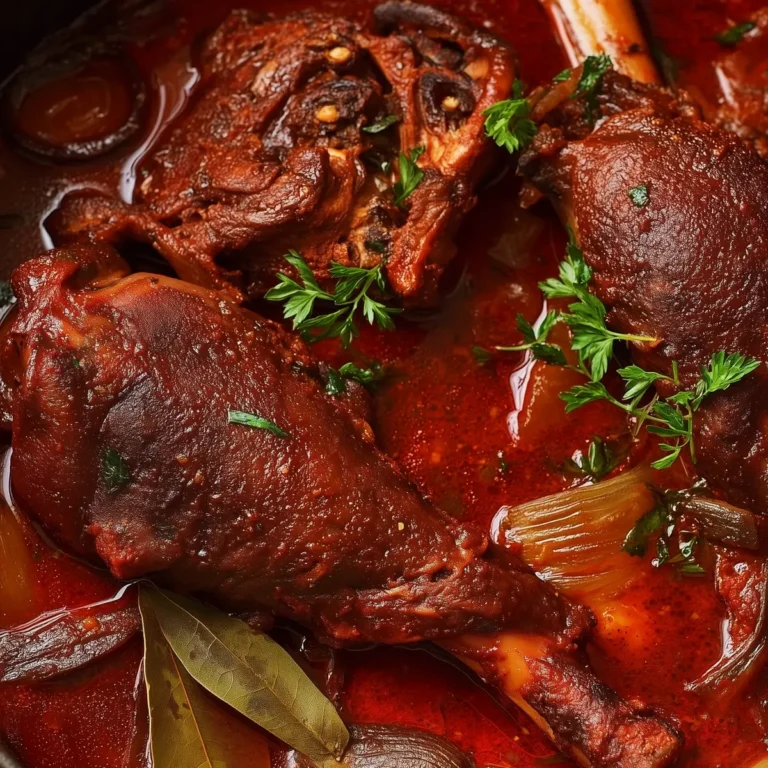
You never forget the first time lamb ragu fills your kitchen with its intoxicating aroma—rich, meaty, and just a little bit wild. There’s something magical about the way lamb, tomato, and herb perfume the air, hinting at the kind of meal best savored slowly, maybe even with a glass of wine in hand. I always find myself sneaking a taste before the pasta is ready, scooping up a spoonful of silky ragu directly from the pot. This recipe is my love letter to slow-cooked comfort food: lamb ragu that’s bold and satisfying, yet surprisingly doable for a busy night or an impromptu dinner party. The sauce is deeply flavorful, the lamb melt-in-your-mouth tender—every forkful feels like cozy luxury.
What Makes This Lamb Ragu So Irresistible
There’s ragu, and then there’s lamb ragu—the kind of hearty, slow-simmered sauce that’s both rustic and rich, but never heavy-handed. What sets this dish apart is the way lamb’s natural depth finds harmony with the sweet brightness of tomatoes and the soft savor of classic Italian aromatics. The lamb cooks until it simply falls apart, letting every bite carry both the warmth of the spices and the deep umami of the sauce. This isn’t a background kind of ragu—it demands your attention, and it rewards you for giving it.
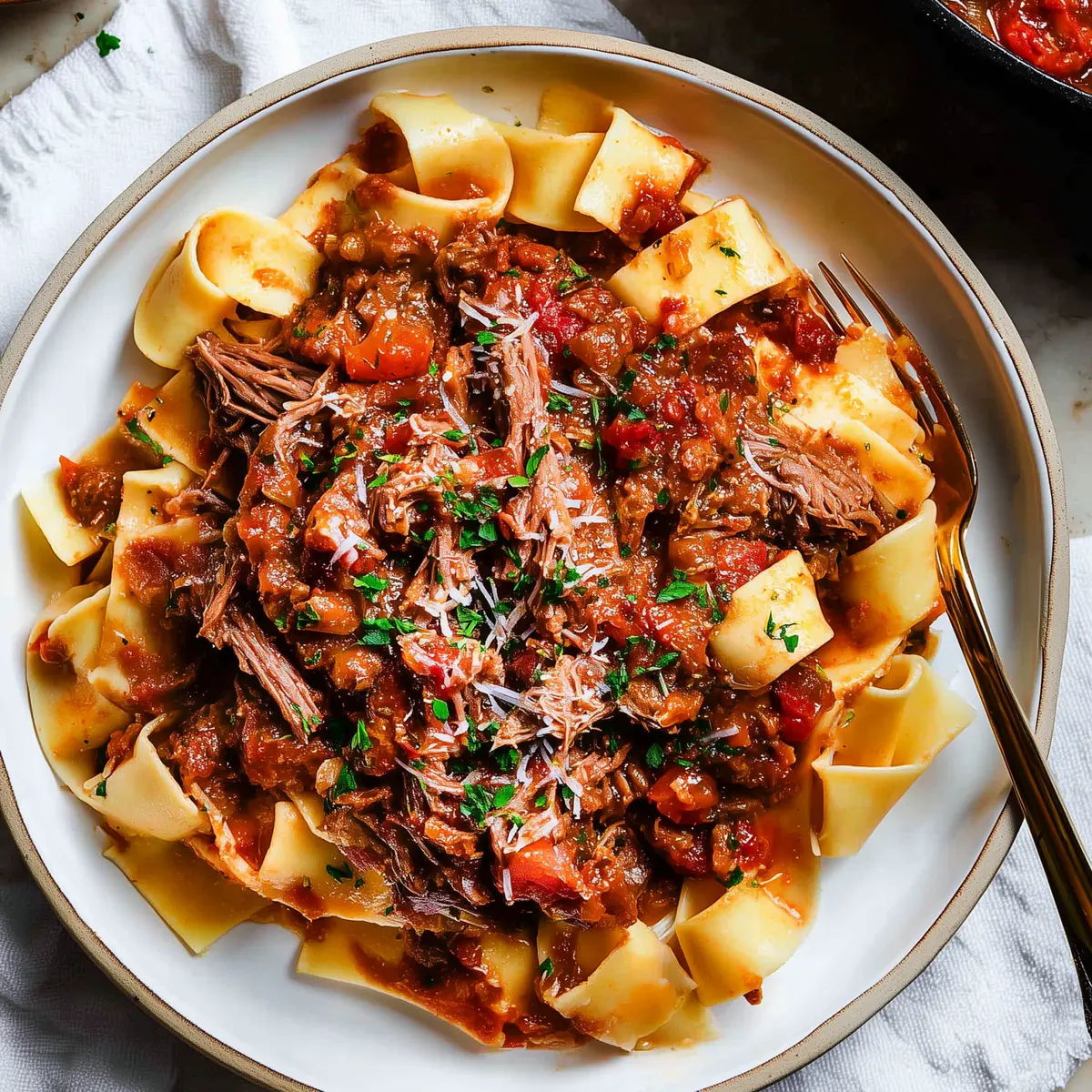
I love serving this after a long week, when everyone’s craving something extra-comforting, or when friends drop by and you want a meal that wows without stressing you out. The ribbony pappardelle captures the sauce perfectly, so every forkful brings a mouthful of lamb, silky vegetable, and tangy tomato.
The Ingredients That Make This Ragu Shine
Let’s talk about what goes into making a truly memorable lamb ragu. Each ingredient pulls its weight to create a sauce with layers of flavor and just the right amount of complexity.
- Lamb shoulder – The perfect cut for braising, it becomes impossibly tender and rich as it cooks down into the sauce.
- Salt – Essential for seasoning, drawing out the lamb’s savoriness and heightening all the other flavors.
- Pepper – Adds just enough gentle heat and sharpness to balance the richness.
- Olive oil – Brings fruity backbone and helps soften the aromatics without burning them.
- Garlic – Sets the stage with a savory foundation—don’t skip it!
- Onion – Sweetens the sauce and melds everything together as it softens.
- Carrot – Lends a subtle natural sweetness that plays beautifully against the robust lamb.
- Celery – Adds depth and a bit of herbal freshness to each spoonful.
- Beef broth – Deepens the sauce, making it feel like it’s cooked all day.
- Canned tomatoes – Offer brightness and tang, key for balancing the richness of the meat.
- Tomato paste – Doubles down on the umami and thickens the ragu until it’s perfectly glossy.
- Italian seasoning – A quick way to add complexity and fragrant herby notes without fussing over fresh herbs.
- Sugar – Just a pinch, to temper the tomatoes’ acidity and round out the sauce.
- Bay leaves – Infuse the ragu with gentle, woodsy undertones that linger in the background.
- Beef bouillon cube – Makes the sauce slightly richer and more savory; feel free to use chicken or veggie if that’s on hand.
- Pappardelle or pasta of choice – Those wide ribbons are ideal for catching every bit of the ragu, but any sturdy pasta works here.
See the recipe card below for the full list of ingredients and measurements.
Bringing This Lamb Ragu Together Step by Step
Building lamb ragu is about giving each layer its moment—from the sizzle of aromatics to the slow braise that melts the lamb into submission. Here’s how it all comes together in my kitchen:
- Pat your lamb shoulder dry and chop it into chunky pieces; this helps with browning and makes shredding easier later. Sprinkle generously with salt and a little pepper to bring out those deep flavors.
- Set your pot—pressure cooker, Dutch oven, or slow cooker—over medium-high heat and pour in a good glug of olive oil. Let it shimmer, then toss in the garlic, onion, carrot, and celery. Stir as they soften and give off their sweet aroma, about five minutes.
- Once your vegetables are meltingly tender, add the lamb and sear it on all sides. Don’t rush this step; the golden crust is pure flavor. When all sides are browned, pour in the beef broth.
- Next up: canned tomatoes, tomato paste, Italian seasoning, a spoonful of sugar, bay leaves, and the bouillon cube. Stir until everything’s happily mingling in the pot.
- If you’re using a pressure cooker, lock the lid and set it to high for about 25 minutes, letting the pressure release naturally for a bit before flipping the valve. Stovetop cooks can bring it to a gentle simmer and let it bubble away, mostly covered, until the lamb is buttery soft—usually an hour or so.
- While the lamb is finishing, start your pasta in boiling salted water. Pappardelle is the dream match, but any pasta that loves a hearty sauce is fair game.
- Return to your pot and fish out the bay leaves. Grab a couple of forks and gently shred the lamb; it should fall apart with hardly any effort. Skim away any sinew or excess fat for a cleaner, silkier sauce.
- Combine the cooked pasta and a ladleful of that magic pasta water with the ragu in a big pan. Toss gently so every ribbon gets well coated. Serve piping hot, with extra sauce spooned over the top if you can manage to resist eating it straight from the pan.
Getting the Perfect Texture and Flavor in Every Bite
Achieving the luxurious, spoon-tender feel that sets a great lamb ragu apart is all about patience and heat control. Browning your lamb before braising means layers of roasted, meaty flavor will infuse the sauce as it cooks. Building the soffritto (that cherished trio of onion, carrot, and celery) forms a natural sweetness that balances the boldness of lamb and acidity of tomato.
Don’t rush the simmer. Even if you’re using the pressure cooker for speed, letting the sauce rest for a few moments after cooking allows the fats to settle and flavors to meld. Shredding the lamb while it’s warm guarantees those fibers absorb every last drop of sauce, creating ragu that clings to the pasta instead of sliding off.
If your sauce seems too thick, splash in a bit more broth or pasta water until it’s velvety. Too thin? Let it bubble gently with the lid off until concentrated and glossy.
Tips, Variations, and How to Serve Lamb Ragu
Here’s where you get to make lamb ragu your own—and keep it tasting fresh every time you revisit it.
- If you’re out of lamb shoulder, boneless leg of lamb or even beef chuck will work nicely. Both can stand up to long, slow braising.
- For a lighter twist, swap in chicken thighs but reduce the cooking time, as poultry softens much faster than lamb.
- Adding a splash of red wine with the broth deepens both color and flavor; let it cook down for a minute before adding tomatoes.
- Feel free to experiment with fresh rosemary or thyme if you have them on hand, or even toss in a strip of lemon zest for a touch of brightness.
- Store leftover ragu in the fridge for up to three days; it reheats beautifully and honestly tastes even better the next day.
- This ragu freezes well—just cool completely and store in an airtight container. Thaw overnight in the fridge for best results.
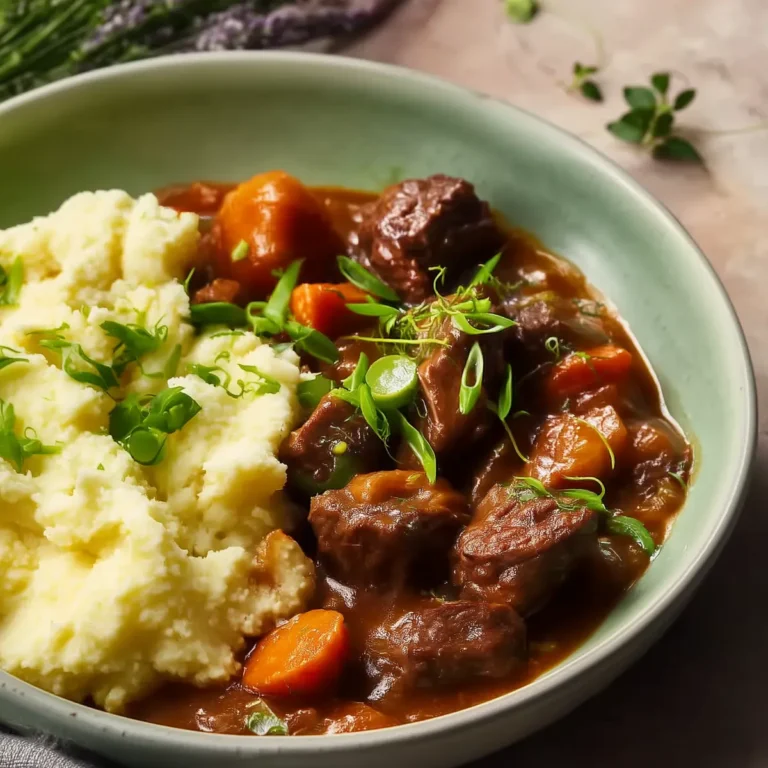
- Serve the ragu over polenta, creamy mashed potatoes, or even layered in a baked pasta for a fun twist.
FAQs about Lamb Ragu
Can I make lamb ragu ahead of time?
Absolutely! In fact, lamb ragu often tastes even better the next day as the flavors have time to meld. Store the finished sauce separately from the cooked pasta in the fridge for up to three days. Reheat gently on the stove and toss with fresh pasta when you’re ready to eat.
What are the best pasta types to pair with lamb ragu?
Pappardelle is a classic for good reason; its wide ribbons cradle the sauce perfectly. But tagliatelle, rigatoni, or even a chunky short pasta like paccheri will work well for holding the hearty bits of ragu.
Can I freeze leftover lamb ragu?
Yes, lamb ragu freezes beautifully. Let the sauce cool completely before transferring to airtight containers. It’ll keep in the freezer for up to three months. Defrost in the refrigerator overnight and reheat slowly to preserve its luscious texture.
Are there any good substitutions for lamb in this ragu?
While lamb has a unique flavor profile, beef chuck or even pork shoulder make excellent substitutes. Chicken thighs can be used for a lighter ragu, but shorten the braising time to avoid overcooking.
How do I prevent my lamb ragu from becoming greasy?
After braising, skim any visible fat off the surface of the sauce before shredding the lamb. Trimming excess fat from the meat before cooking and letting the finished sauce settle for a few minutes both help keep your ragu rich but not oily.
A bowl of lamb ragu is truly the kind of dinner that makes everyone at the table pause for just a second—the deep, savory aroma, the long-simmered richness, the soft ribbons of pasta tangled with sauce. Whenever I make this dish, it’s a reminder that comfort food can still feel a little bit special. So next time you want something warm, real, and deeply satisfying, let lamb ragu work its magic. Your kitchen will smell incredible, and you’ll have the kind of meal that sticks in your memory long after the last bite.
More Delicious Recipes
- Irish Beef Stew: This hearty stew offers a similar rich and savory flavor profile that’s perfect for comfort food lovers.
- Classic Dublin Style Irish Lamb Stew: A delightful twist on lamb that’s also slow-cooked and packed with deliciousness, perfect for an Irish-inspired meal.
- Slow Cooker Irish Dublin Coddle: This comforting dish involves hearty ingredients and slow cooking, making it a great alternative for a satisfying dinner.

Lamb Ragu
Ingredients
Equipment
Method
- Pat dry the lamb and chop into large chunks. Season with salt and pepper.
- Using the sauté function, heat the olive oil in the Instant Pot. Add the garlic, onion, carrot, and celery, and cook until the vegetables are tender. Add the lamb and sear on all sides.
- Add the beef broth, diced tomatoes, tomato paste, Italian seasoning, sugar, bay leaves, and beef bouillon cube and stir until combined.
- Lock the lid and close the vent valve. Cook everything on high pressure for 25 minutes. Allow the pressure to naturally release for 10 minutes, then do a quick release.
- Using two forks, shred the lamb and discard any sinew or pieces of fat. Let the mixture sit as you prepare the pasta.
- Cook the pappardelle as per its package instructions.
- Transfer the lamb sauce to a large pot or dutch oven. Add the cooked pappardelle, along with 1/4-1/2 cup of pasta water. Mix everything together and serve.