Traditional Irish Soda Bread Recipe for Quick Baking
If you’re anything like me, there are days when the craving for warm, homemade bread sneaks up fast—and you just don’t have the patience to deal with yeast, proofing, and babysitting dough. Enter Traditional Irish Soda Bread: the answer to quick, no-fuss baking that still fills the kitchen with that irresistible, hearty aroma. When all you want is a golden, crusty loaf that begs for a smear of butter, this is the recipe you’ll reach for again and again.
The beauty is in how forgiving this bread is. There’s no tricky kneading technique or long rise; you just bring it together, shape it, and let your oven do the heavy lifting. The crust turns deep and rustic, but crack it open and you’re greeted with a soft, tender crumb that’s almost comforting in its simplicity. Perfect for those times you’re after a rustic, real bread moment—without all the drama.
Why This Soda Bread Works Every Time
You don’t have to be a bread-baking whiz to pull off Traditional Irish Soda Bread. This recipe is all about confidence and speed—no yeast, no waiting around, and no complicated tools required. Everything comes together in a single bowl, which honestly feels pretty magical after a busy day.
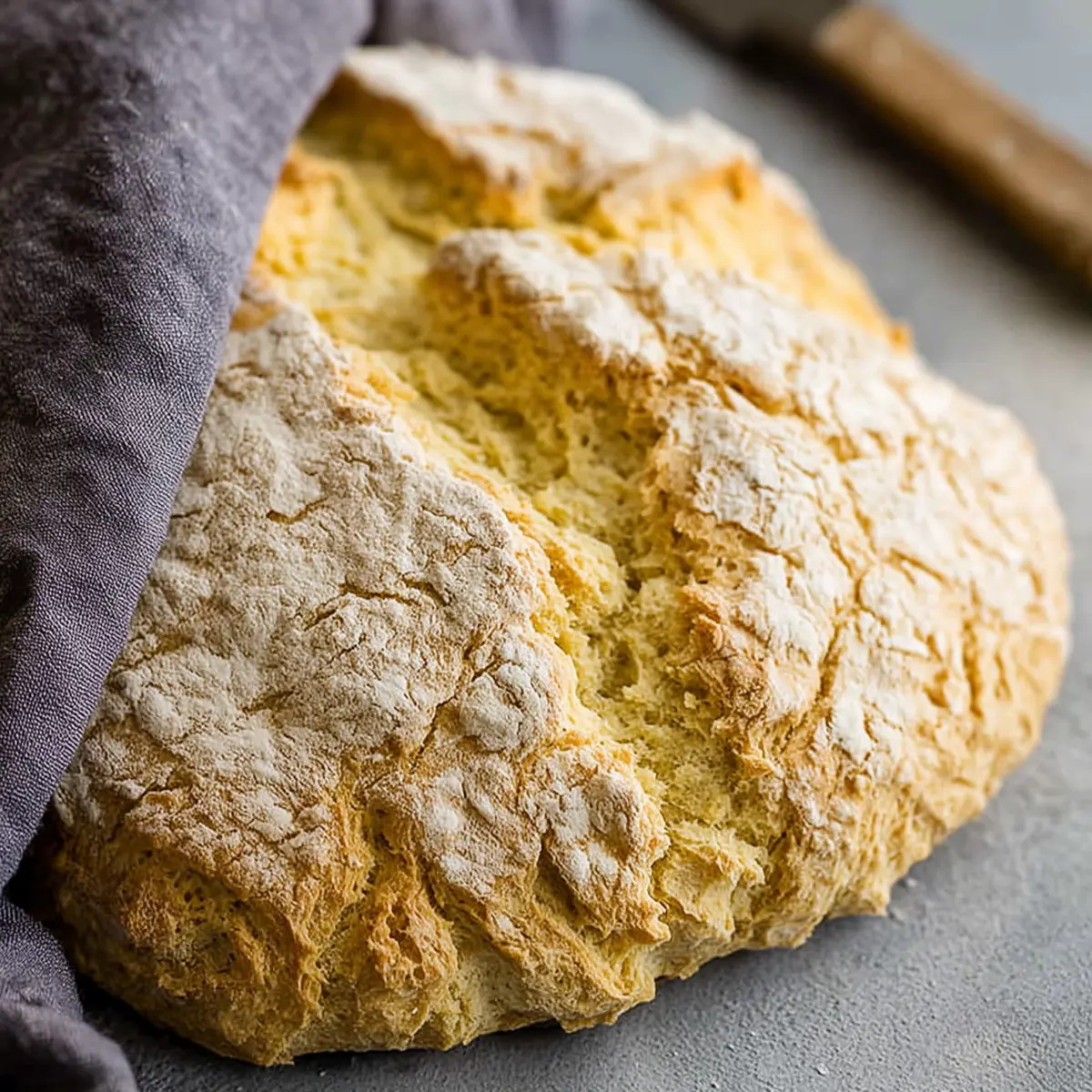
It’s the definition of cozy, rustic comfort. The crust gets its signature crunch, while the inside stays wonderfully soft and just dense enough to hold up to a thick slather of salted butter or a dunk in rustic soup. Plus, you only need the most basic pantry staples—and the clean-up is a breeze. That means fresh, homemade bread can go from weekend treat to last-minute weeknight hero.
The Simple Magic of Traditional Irish Soda Bread Ingredients
The magic is in the minimalism. Each ingredient plays a starring role and there’s just enough going on to keep things interesting without any fuss.
- – flour: sets up the hearty structure, giving every bite its rustic, chewy backbone.
- – Baking soda: reacts with the buttermilk for lift, so you get that signature loaf rise without any yeast drama.
- – Salt: sharpens all the other flavors and brings out the best in this rustic bread.
- – Buttermilk: gives the loaf depth, tang, and that subtle moistness that makes the crumb sing.
See the recipe card below for the full list of ingredients and measurements.
Swaps and Savvy Tweaks
If you’re missing an ingredient or baking for a specific need, Traditional Irish Soda Bread is one of those rare recipes that actually welcomes a little improvisation. You can swap in whole wheat flour for a heartier texture, or go half-and-half if you like things somewhere in the middle.
No buttermilk? Stir a splash of lemon juice or vinegar into plain milk for a quick homemade version. For a gluten-free option, a sturdy all-purpose gluten-free flour blend can work in a pinch—just be aware the loaf will be a bit more crumbly. You can even add a handful of oats for a little extra texture, or sprinkle seeds on top before baking.
Mastering the Method: A Traditional Irish Soda Bread Guide
It’s all about confidence and not overthinking things. Here’s how you’ll get your loaf on the table, step by step:
- Get your oven cranking hot and prep your baking sheet, or grab a cake pan or skillet if you prefer a taller loaf. Either way, line with parchment or grease well to prevent sticking.
- In a big bowl, whisk together the dry ingredients. Pay attention to how the salt and baking soda disperse—consistency makes a difference for even flavor and rise.
- Pour in the buttermilk. Stir gently—just until it’s starting to come together—then stop. The dough should look shaggy and a bit lumpy, not perfectly smooth. Don’t worry about every last bit of flour mixing in at this stage.
- Tip the dough onto a lightly floured workstation. Use floured hands to knead briefly, just a few times, until the dough holds together and no powdery streaks remain. It’ll feel soft but not sticky.
- Shape into a rough round. Place on your prepped pan and, for that classic look, slash an X into the top using a sharp knife. This lets the heat reach the center and gives you that iconic Irish soda bread finish.
- Slide it into the oven. You’re looking for a deep golden brown crust and a hollow sound when you tap the bottom. If you own a kitchen thermometer, the center should register hot and done, but honestly, that hollow sound is old-school foolproof.
- Let the bread cool a bit before slicing—if you can resist tearing off a chunk right away! The crumb will set up as it cools and makes slicing easier and tidier.
No-Nonsense Tips for the Perfect Loaf
A light hand really is your best tool here. Over-mixing makes the loaf tough, so treat the dough with a little respect—stop mixing as soon as it’s mostly combined. The dough should be a bit sticky, but easy to handle once floured. If it’s wildly wet (some flours soak up less liquid), dust on a touch more flour until it feels workable.
Always slash an “X” on top before baking—this not only looks traditional, but helps the heat circulate and gives a dramatic split to your loaf. Don’t slice until it’s cooled a little, as this keeps the crumb from getting gummy. If you wind up with leftovers, wrap the cooled loaf in a tea towel to preserve the crust, or store in an airtight container for a softer bite.
Stale slices? Give them new life: toast until golden, or cube for rustic croutons. Soda bread also loves a quick dip in the microwave if you’re in full comfort mode and just want a warm, fluffy piece for a midnight snack.
Pairings and Ways to Make It Your Own
This is the loaf that’s equally at home next to a bowl of Irish stew, cradling melted butter at breakfast, or sopping up soup on a rainy evening. It makes epic toast—especially if you add a swipe of good jam or a drizzle of honey. You could even slice it thick for a hearty sandwich, layered with sharp cheddar and crisp greens.
To riff on the classic, toss in a small handful of dried fruit or seeds for a subtle twist. For savory vibes, a sprinkle of fresh herbs or some caraway might just become your signature variation. Soda bread is at its peak fresh, but you can absolutely freeze leftover slices—simply thaw and reheat gently in the oven.
For entertaining, halve the dough for two smaller rounds—one for the table now, one for later. Or try making “mini” loaves for individual servings, perfect for a brunch or family-style feast.
FAQs about Traditional Irish Soda Bread
What makes Traditional Irish Soda Bread different from other breads?
Traditional Irish Soda Bread stands out because it uses baking soda and buttermilk instead of yeast. This means you get a rustic loaf without any need for long proofing, making it a much quicker option than standard yeast breads.
Why do you cut an X on top of soda bread before baking?
Cutting an X on the top helps the heat reach the center and allows the bread to expand as it bakes. It’s also a classic mark that gives Irish soda bread its distinctive appearance.
Can I make soda bread without buttermilk?
Yes, you can make a quick substitute for buttermilk by mixing milk with a little lemon juice or vinegar. This provides the necessary acidity for the baking soda to work and gives the loaf its traditional tang.
How do I store leftover soda bread for best freshness?
Wrap leftover soda bread in a clean tea towel to keep the crust crisp, or use an airtight container for a softer texture. It’s best enjoyed within two days but can be frozen for longer storage.
Bringing It All Together
Whether you’re a first-time baker or you just want something unfussy and satisfying, Traditional Irish Soda Bread is the kind of recipe you’ll find yourself returning to on repeat. The crunch of golden crust, that nostalgic aroma, the soft crumb—there’s just something deeply reassuring about it.
Once you’ve baked this loaf, you’ll know why it’s been a staple for generations. Keep it on standby for those moments when you want simple comfort, and let the tradition live on in your kitchen.
More Delicious Recipes
- Irish Scones: These delightful scones are perfect companions for your soda bread, providing a similar rustic sweetness.
- Irish Beef Stew: Serve this hearty stew alongside your soda bread for a classic Irish meal that complements the flavors beautifully.
- Slow Cooker Irish Dublin Coddle: This comforting dish pairs wonderfully with soda bread, making for a cozy and satisfying dinner option.

Traditional Irish Soda Bread
Ingredients
Equipment
Method
- Preheat oven to 400℉. Line a baking sheet with parchment paper or grease well; set aside. You can also use an 8" cake pan or oven proof skillet.
- In a large bowl whisk together the flour, baking soda, and salt. Stir in the buttermilk just until combined and it starts to become too stiff to stir. Transfer to work surface and with floured hands lightly knead the dough 5-10 times or until all the flour is moistened and the dough comes together.
- Form dough into an 8" round. Place on the prepared pan and with a very sharp knife, cut a ¼-½" deep X on the top. Bake for 45-50 minutes or until golden brown, and it sounds hollow when tapped on the bottom. The loaf is also done when an instant read thermometer reads the center of the loaf at 195℉.