Italian Bomboloni: A Heavenly Breakfast Delight
There’s something downright magical about biting into a warm, airy Italian bomboloni—especially when the custard is peeking out, and the powdered sugar leaves a little dusting on your fingers. I stumbled into my obsession for these doughnuts after an early morning stroll past a bakery in Florence, where the scent of fried dough and sweet vanilla cream lured me inside. Ever since, making bomboloni at home has become my own little tradition for those days I want a breakfast that borders on dessert or a treat that brings everyone searching for seconds.
What makes Italian bomboloni stand apart is that ethereal structure—pillowy-soft inside, with just the right golden edge on the outside, all wrapped around a creamy middle. The first bite always takes me back to a tiny table in Tuscany, and every batch seems to vanish faster than I can fry them. Whether served beside a strong coffee or lined up for a special brunch, these custard-filled doughnuts seem to cause spontaneous happiness in a way only Italian pastries can.
When Italian Bomboloni Steal the Breakfast Spotlight
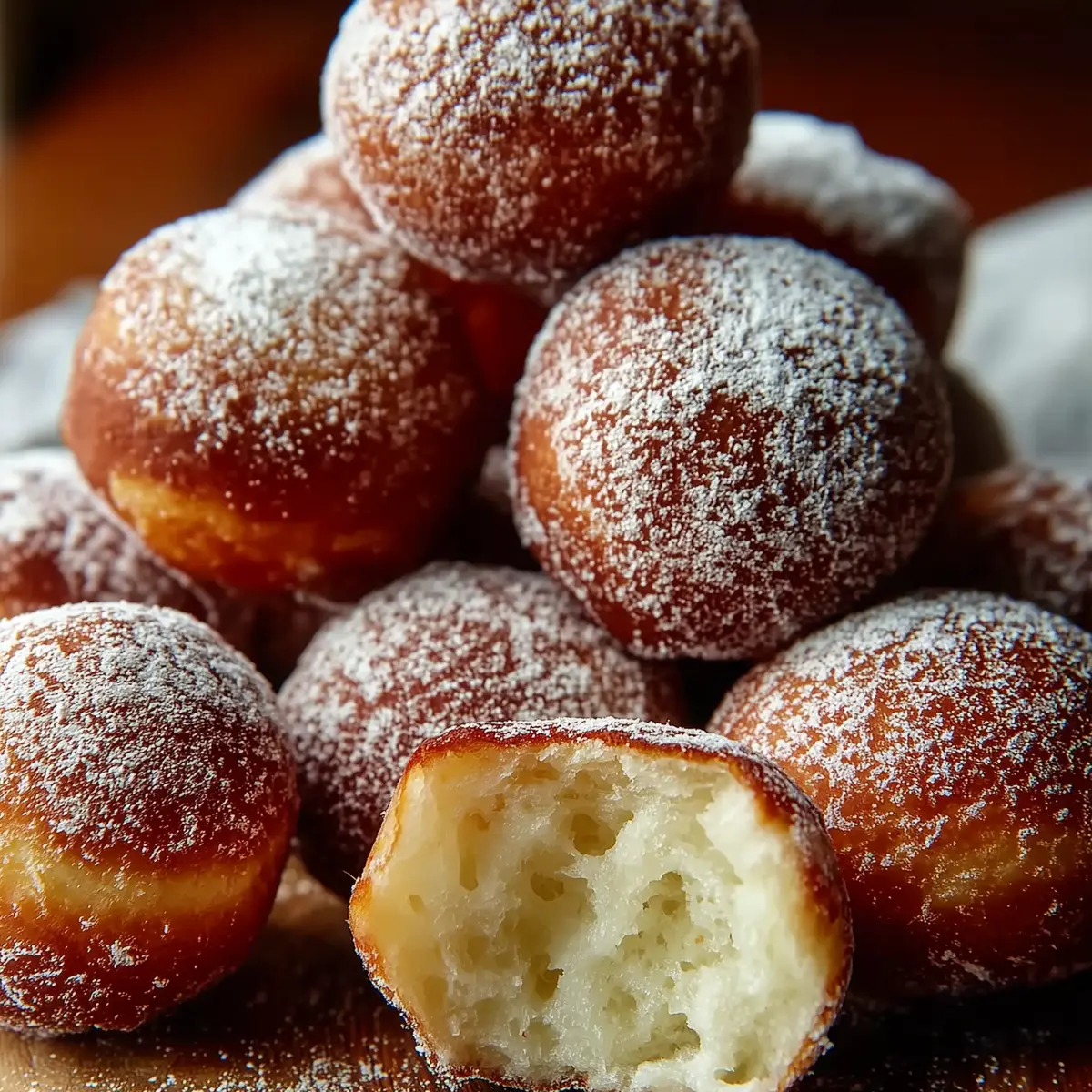
It’s not every day you find a breakfast pastry that deserves to be center stage, but Italian bomboloni grab that role without apology. There’s a certain hush in the kitchen the moment you start frying—the scent alone will have everyone peeking in. These doughnuts feel celebratory but relaxed, unfussy yet a total showstopper when set out in a heap, sugar sparkling in the sunrise.
I love making them on those slow weekend mornings when there’s time for the dough to rise and fill the house with anticipation. Bomboloni are exactly the sort of thing people talk about for days after, lighting up at the memory of dissolving custard and barely-there crumb. Serve them with espresso or tuck them into a dessert spread—either way, don’t expect leftovers.
The Ingredients That Turn Dough into Dreams
Some pastries need fancy imports or trips across town to find special flours. Not so with Italian bomboloni. Most of what you’ll need is probably already hanging out in your kitchen—each ingredient pulling its weight to make these doughnuts uniquely soft, creamy, and aromatic.
- Flour – forms the backbone of the dough, creating that light but structured crumb; stick to all-purpose for reliable results.
- Lukewarm milk – wakes up the yeast and adds just enough richness for tender dough.
- Sugar – gives both sweetness and a bump of moisture, helping the crust get golden and tempting in the oil.
- Softened butter – works its magic for softness, bringing a melt-in-your-mouth texture.
- Egg yolks – these make everything extra rich, binding the dough with a subtle creaminess.
- Fresh yeast or dry yeast – yeast is the real engine here, getting the dough billowy and full of tiny bubbles.
- Salt – don’t skip it; a tiny pinch is what keeps the sweet from turning cloying, elevating every bite.
- Neutral oil for frying – provides the crisp, golden shell without any distracting flavors; think sunflower or canola oil.
- Powdered sugar – nothing fancy, just a dreamy snow-like finish on top once fried and filled.
- Pastry cream – the hidden heart of every bombolone; smooth, custardy, and flecked with real vanilla if you like.
See the recipe card below for the full list of ingredients and measurements.
Bringing the Dough to Life for Bomboloni Perfection
The dough for bomboloni is the soul of the recipe—give it a little patience and it rewards you with pure, fluffy warmth. Start by stirring your yeast into lukewarm milk alongside a spoonful of sugar. You’ll want to pause here, let it get foamy and lively—that means it’s ready to work.
In your largest bowl (the messier, the better), blend the flour, the rest of your sugar, and salt. Then add in egg yolks, that glorious butter, and pour your now-bubbly yeast mixture over everything. The dough starts out sticky, a little unruly, but fifteen minutes of kneading (or a stand mixer if you want to take the easy route) brings it together beautifully—smooth, elastic, and just a hint tacky to the touch.
Patience comes next: let the dough rise in a greased bowl under a tea towel. It should puff up and almost jiggle if you nudge it, doubled in size and ready to roll.
Dust your work surface with flour and roll the dough out—not too thin, not too thick. I find about a finger’s width is what gives the best bite. Cut out circles and set them aside on a tray. Cover and let them rest, a last little nap before their hot oil bath.
From Oil to Custard: How It All Comes Together
Now for the transformation. Heat your neutral oil until it hits that sweet spot—hot enough to puff but not scorch. If you don’t have a thermometer, a tiny scrap of dough should sizzle gently when dropped in (but not instantly brown).
Fry each round in batches, resisting the urge to crowd the pot. They’ll balloon up and take on that burnished gold hue. When both sides are crisp and inviting, move them straight to paper towels to blot away any excess oil.
Once they’re barely warm, grab your pastry cream and a piping bag (or whatever clever hack you like). Slide the tip inside each bombolone and pipe in the custardy filling until you see a little puff or bulge—the most satisfying moment of all. Finish with a flurry of powdered sugar on top. Listen for the faint crunch as you stack them on a platter. Trust me, that sound is a precursor to something special.
The Moment You Take That First Sweet Bite
There’s nothing quite like the texture of freshly made Italian bomboloni. The shell is delicate but crisp from the hot oil, and underneath, the dough nearly melts away, each bubble giving the pastry an impossibly light lift. The real magic, though, is when you crack through the surface and meet the creamy core. It’s smooth, a little cool against the warm bread, carrying gentle vanilla notes that hang with you after every bite.
The blend is subtle: not too sweet, never too rich, just harmonious. If you eat one while it’s just out of the fryer and filled, you’ll notice how the custard sinks into each layer, making the whole doughnut taste almost ethereal. It’s decadent yet doesn’t sit heavy, which is why having “just one” never seems to happen.
Little Details to Make Your Bomboloni Truly Sing
If you want flawless Italian bomboloni every time, a few kitchen tricks go a long way. For the dough, don’t rush the rising—good things need that time to become pillowy and airy. Make sure your milk isn’t too hot or cold; lukewarm helps the yeast dance.
Switch up the filling if you’re in the mood. Classic pastry cream is unbeatable, but a thick jam or chocolate hazelnut spread will win fans, too. Just be careful not to overfill—too much custard, and you’ll risk leaks.
For frying, keep your oil temperature steady. Too low, and the doughnuts will sop up oil; too high, and they’ll burn outside before cooking through. Let the bomboloni drain on paper towels, and avoid stacking them until they’ve cooled a bit—this way, their crusts stay crisp.
Bomboloni keep best fresh, but if you make them ahead, a quick blast in the oven (not the microwave) will wake up the flavor and restore a little crunch.
Serving Bomboloni for Max Delight
Nothing says “special occasion” like a plate piled high with sugar-dusted bomboloni. Set these out for brunch with strong espresso, or tuck them into a napkin-lined basket for a celebratory breakfast in bed. I like mine with an extra shake of powdered sugar just before serving—it makes every bombolone feel like a bakery treat, no matter your kitchen.
If you’re feeling adventurous, offer a few different fillings—jams, fruit compotes, or even whipped cream. Bomboloni are lovely alongside seasonal fruit or with a scattering of berries on the side. And if you have leftovers (which, honestly, rarely happens), they pair beautifully with an afternoon tea or as an offbeat dessert for dinner guests.
FAQs about Italian Bomboloni
How should I store leftover Italian bomboloni?
Keep any extra bomboloni in an airtight container at room temperature for a day, or refrigerate them to prolong freshness. If they start to lose their crispiness, you can warm them in the oven for a few minutes to revive the texture before serving again.
Can I freeze Italian bomboloni?
Yes, you can freeze bomboloni, but it’s best to freeze them unfilled. Let them cool completely, then wrap in plastic wrap and store in a freezer-safe bag. Thaw at room temperature and reheat in the oven, then fill with your favorite custard before eating.
Can I substitute the pastry cream filling in bomboloni?
Absolutely! While pastry cream is traditional, you can use fruit preserves, chocolate spread, or even whipped cream. Just make sure your filling isn’t too runny, or it may seep out as the bomboloni sit.
How do I make sure my bomboloni dough is light and airy?
The key is a well-risen dough and careful kneading to build elasticity. Don’t cut short the proofing steps, and keep your rising spot warm but not hot. The result is doughnuts that puff up beautifully during frying, giving you that classic light texture.
There’s a real joy in sharing Italian bomboloni around the table—the sugar-dusted tops, the hidden custard, the anticipation each time someone takes that first bite. These doughnuts capture what’s most irresistible about Italian baking: generosity, flavor, and a little sense of occasion. Whether you serve them as a decadent breakfast or a sweet end to a meal, bomboloni always deliver that sprinkle of delight. Try a batch, and watch them disappear faster than you’d believe—sometimes, a little extra powdered sugar is all it takes.
More Delicious Recipes
- Irish Scones: These fluffy scones share a similar delightful texture and are perfect for pairing with coffee or tea just like bomboloni.
- Irish Potato Bites: These savory treats make a wonderful contrast to the sweetness of bomboloni, appealing to both sweet and salty cravings.
- Irish Shortbread: This buttery shortbread captures a similar comfort that makes any sweet gathering feel special, just like serving bomboloni.

Italian Bomboloni (Custard Doughnuts)
Ingredients
Equipment
Method
- Dissolve yeast in lukewarm milk with 1 tablespoon of sugar. Let sit for 5 minutes until foamy.
- In a large bowl, mix flour, remaining sugar, and salt. Add egg yolks, softened butter, and yeast mixture.
- Knead by hand or with a dough hook for 10–12 minutes until smooth and elastic.
- Shape into a ball, place in a greased bowl, cover, and let rise for 1½ hours until doubled in size.
- Roll dough to 1.5 cm thickness on a floured surface. Cut into rounds and place on a tray. Cover and rest for 30 minutes.
- Heat oil to 170°C. Fry doughnuts in batches, turning once until golden on both sides.
- Drain on paper towels and cool slightly.
- Fill each with pastry cream using a piping bag. Dust with powdered sugar and serve.